
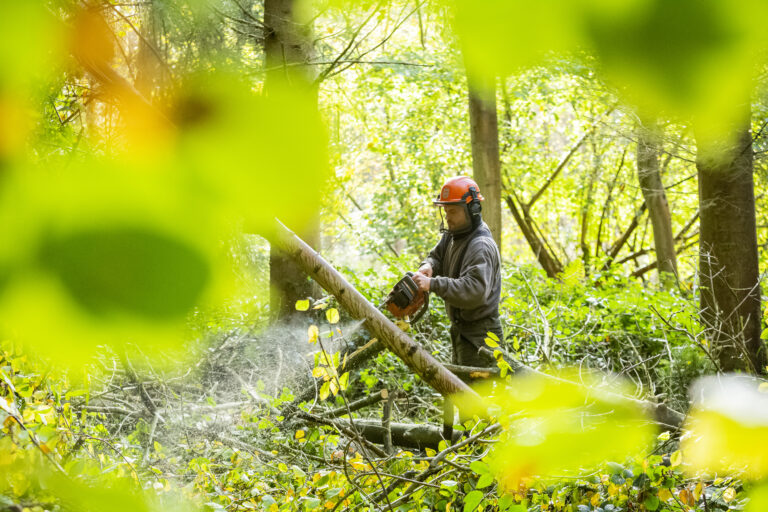
Wetlands, Meadows and woodlands benefit from charity project
The National Trust says work on its land has ‘restored’ nature back to an area twice the size of Manchester – in less than a decade
The conservation charity has reached its landmark target of creating, or restoring, more than 25,000 hectares of priority habitat across the land in its care. It was a goal set by the team in 2015.
Managers say the work is vital for helping tackle the nature and climate crisis. Their work has included the restoration of wetlands, meadows and woodlands.
The charity adds that ‘key benefits’ have included ‘halting species decline as well as adapting landscapes to deal with climate change.’

It adds that the work has resulted in some ‘quick’ wins for nature through wetland and meadow creation. It says the full benefits of peatlands and woodlands won’t be fully realised for decades and centuries to come.
The work has been largely focused on creating or restoring habitats, such as peatlands, meadows, wetlands, woodlands and saltmarshes.
It says the work will have helped certain species by making more space for nature – as well as adapting landscapes to deal with worsening climate impacts.
‘Our focus on restoring our most important habitats to help our precious wildlife is not only contributing towards national conservation targets but is also a critical response to the challenge of climate change,’ says Ben McCarthy, Head of Nature and Restoration Ecology at the National Trust.
‘Focused on expanding our existing habitats’
‘Much of the work carried out by our countryside and ranger teams on the ground has focused on expanding our existing habitats to buffer them from external pressures as well as creating better and bigger areas of habitat.’
‘Combined with our work to create new homes for nature, this approach makes our landscapes more connected for wildlife, allowing species to move more easily across the landscape.’
‘The UK is one of the most nature depleted countries in the world and we are doing all we can to help reverse this decline.’
‘The effort to create and restore over 25,000 hectares is fantastic to see and is testament to the hard work of our teams on the ground, tenants and partners.’
Some of The National Trust’s work has been undertaken in conjunction with its tenant farmers to ‘make more space for nature.’
Projects have included restoring big, bushy hedgerows and creating wildflower margins or adopting extensive grazing regimes to ‘help kick-start natural processes.’
It adds that the UK is internationally important for its ancient trees and parklands. The work means the team could create ways to sustain ancient habitats for rarities, such as Oak polypore fungus and birds, like the Lesser Spotted Woodpecker.
One of the main habitats restored over the course of the past nine years included 9,000 hectares of ‘blanket bog.’
Restoring and creating tens of thousands of acres for wildlife
This is where the Trust re-wetted peatlands through a number of methods, including planting sphagnum moss and gully blocking to help lock away carbon.
It also restored more than 12000 acres of wood pasture and parkland with a focus on managing these ancient habitats to help to ensure a continued future for them.
Rangers also restored nearly 9000 acres of meadow land to allow for the reintroduction of wildflowers. Their aim was to ‘create a colourful tapestry across our landscapes to particularly benefit pollinators.’
Just over 6000 acres of lowland woodland were restored to help to support some of the UK’s most threatened mammals, such as dormice and Barbastelle bats.
Nearly 4000 acres of upland heaths were restored to create ‘a rich mosaic of heath, scrub and grasslands by kick-starting natural processes with the creation of bare, open ground and improving grazing pressure by changing the mix of animals on site.’
‘In many ways our work has just begun. Due to the nature of some of these projects we won’t see the full benefits for some decades or even centuries particularly in the case of peatland restoration and tree planting.’
‘But what is key is that solid foundations are in place which we can build on to help reverse the decline in our wildlife.’
‘We will continue to sustainably manage these new habitats, monitoring their recovery trajectories so they can reach their full potential.’
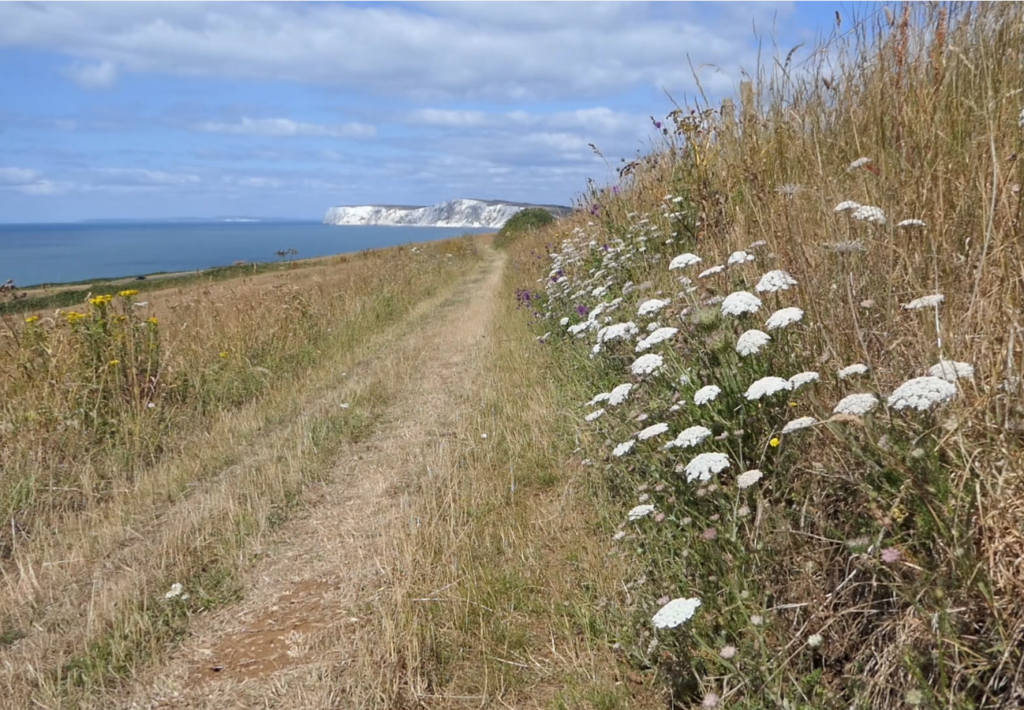
Dunsbury: wild carrot and knapweed. Image: Huw Jenkins / National Trust Images.
Peak District and Marsden Moor: bog restoration and creation projects
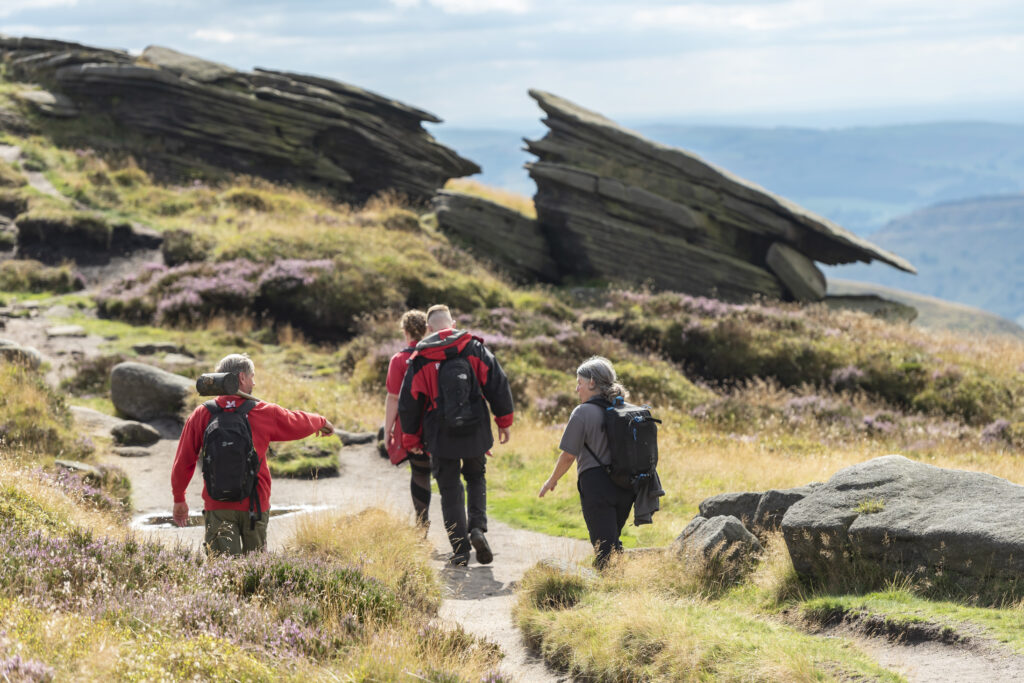
Work began to restore the peatlands more than 30 years ago. Two of the largest projects underway are blanket bog restoration and creation projects in the Peak District in the Midlands and at Marsden Moor in Yorkshire.
In the Peak District, more than 12,355 acres of blanket bog are now under restoration. The work in these areas has been ongoing since 2015 to create the right conditions to prevent the erosion of peat and to create healthy blanket bog.
It’s envisaged that a mix of moorland plants like sphagnum moss, heather, bilberry, and cotton grass will grow – allowing an abundance of wildlife to live and feed in these areas.
As part of the project the team has created more than 10,000 gully blocks with dams of various sorts and planted around a million sphagnum moss plug plants. The work is creating homes for wildlife like dragonflies, golden plover, frogs and lizards.
The restoration work is not only protecting the area’s precious peat but also mitigates flood risk and ensures the landscape is more resilient in our changing climate.
‘This work is critical. This year alone, we’ve seen dramatic weather events seriously affect thousands of households across the Midlands and beyond,’ says Craig Best, General Manager for the Peak District.
‘As we’re faced with the likelihood of more significant bouts of extreme rainfall, it is a stark reminder that we need urgent action to increase the resilience of the land in a changing climate.’
‘In good condition, the moorlands of the Peak District can help reduce the impact of climate change by slowing the flow of rainwater and reduce the risk of flooding for people living downstream, so it’s vital that we continue to do as much restoration as quickly as we can.’
Turning back the clock on industrial pollution
On the National Trust estate at Marsden Moor, various schemes are underway that are turning back the clock on industrial pollution, intensive drainage and overgrazing, which has damaged the peatlands over centuries.
Work started in October 2018 on replanting bare and denuded patches of peat with sphagnum moss and other moorland specialist plants, helping the blanket bog habitat to begin a process of self-rejuvenation.
It’s expected the work will significantly boost biodiversity and protect more than one million tonnes of carbon that are locked up in the moor’s peat.
‘New peat only ‘grows’ at a rate of 1mm a year so this is slow work, but it’s vital in our efforts in tackling climate change and towards repairing natural ecosystems,’ says Rosie Holdsworth, countryside manager at Marsden.
‘By restoring our peatlands, we are stopping the release of carbon into the atmosphere as well as providing a lifeline for the rare insect and bird species that are native to this moorland.’
‘Habitat restoration is an ongoing and iterative process; we’re making great progress with repairing our peatlands, but the job is never really finished.’
Working with partners, including Moors for the Future and Yorkshire Water, the West Yorkshire countryside team have carried out restoration measures across nearly 5000 acres of the moor to date.
The restoration process is set to accelerate this autumn, thanks to a new sphagnum nursery located at the Marsden offices.
Working to create a new habitat for woodland birds, invertebrates and mammals
‘It means we can propagate these precious and vital plants in-house,’ explains Rosie. ‘This helps funding go further, ensures local provenance and reduces transportation miles – a win-win situation.’
Meanwhile, Landscapes for Water, a partnership project between National Trust with Yorkshire Water, has overseen the planting of 65,000 trees on the fringes of Marsden Moor since February 2024. It’s expected the work will ensure a new habitat for woodland birds, invertebrates and mammals.
The trees will form part of more than 700 acres of new woodlands being created across the South Pennines in the next five years.
It’s among two million native species being planted as part of the White Rose Forest (the community forest for North and West Yorkshire).
‘Thousands of years ago these upland areas would have had many more trees than they do now,’ says Jess Yorke, project manager for Landscapes for Water.
‘By planting more native trees in key areas, we can help tackle climate change and create wildlife corridors that will enable species to colonise new areas, migrate safely and boost genetic diversity, strengthening their populations for generations to come.’
In Wales, the Trust has revived and restored nearly 500 acres of meadows across Pembrokeshire over the past five years.
The works were part of the first ever Wales-wide meadow conservation and restoration project, Magnificent Meadows Cymru, that began in 2019 working in partnership with Plantlife Cymru and the Centre for Sustainable Healthcare.
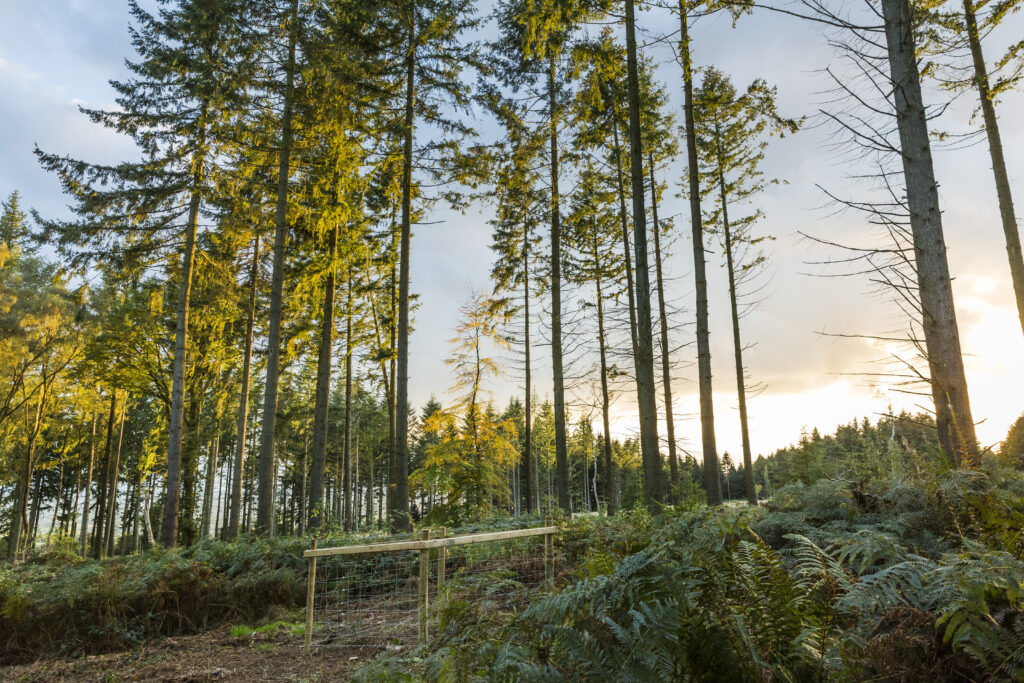
Conifers on the Croft Castle, Herefordshire. Image: James Dobson / National Trust Images.
Improving meadows for ‘the benefit of nature and people’
The collaborative goal of the project was to improve meadows for the benefit of nature and people. It’s aim is to see plants, pollinators and other wildlife thrive.
By the end of 2022, a total of 25 sites cared for by the Trust in Wales were either created – or restored. The total area covers more than 500 acres. One of the sites, at Southwood, showed a threefold increase in wildflowers in just 12 months after green hay seeding.
In Northern Ireland, meadow restoration is underway at 15 sites including Minnowburn (on Belfast’s urban fringe), Downhill (North Coast) and Castle Coole (Fermanagh) with a total of more than 430 acres created – or restored.
The key benefits of this work are that it improves the diversity of wildflowers, connects fragmented habitats and improves carbon storage, while attracting more wildlife such as vitally important pollinators and farmland birds.
The teams in Northern Ireland have also planted 193,000 trees since 2015, including at Crom (Fermanagh), Greenhill (Co. Down) and Avish (North Coast). They have a target to reach 500,000 by 2030.
Restoration is underway in more than 370 acres of woodland, with the removal of invasive species at Mount Stewart. Their goal is to see more than 1200 acres being under restoration by 2030.
To help support tree planting efforts, the team has also established a tree nursery at Mount Stewart to ensure supply of local provenance seed for future tree planting initiatives.
‘Ensuring we have a wide range of complex habitats is key to tackling the climate and nature crises,’ explains Harry Bowell, Land and Nature Director at the National Trust.
‘Following John Lawton’s much lauded principles of making space for nature by creating better, bigger, more and joined up spaces, we can help ensure that wildlife have places to ‘move’ if they are placed under threat.’
‘These joined up landscapes are also great for people too – allowing us to benefit from cleaner air and water – but also giving us a greater diversity of wildlife and landscapes to learn about and enjoy.’
The news follows announcements during the course of the year from a range of organisations which are aiming to improve the environment.
This includes the declaration that Borrowdale will be one of the ‘King’s Series of National Nature Reserves’ (NNRs).