
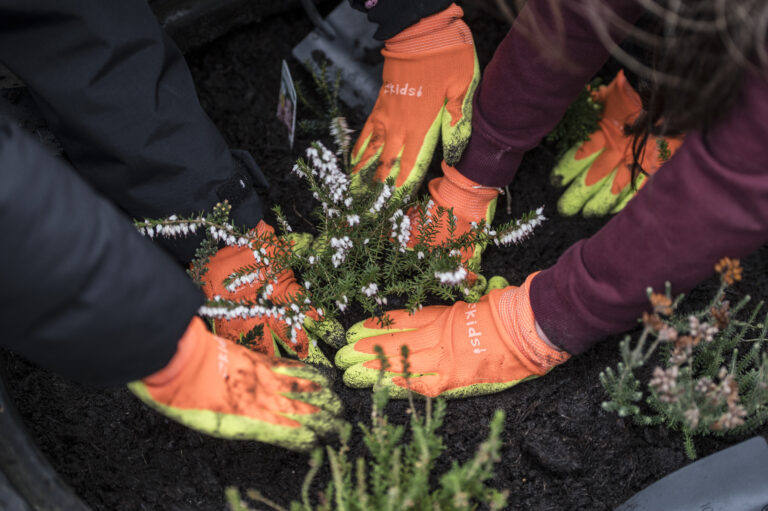
Project aims to engage 1,000+ residents in the two-year project
Highlighting the importance of insects and protecting their future is high on the agenda at Glasgow City Council.
It’s teaming up with Butterfly Conservation in a ground-breaking project to fight the decline in common butterflies and moths across the UK by creating habitat in urban areas – and inspire people to take more actions to help wildlife.
The goal is to provide the city with more than 40 new wild spaces for butterflies, moths and other wildlife. Organisers hope to engage with more than 1,000 residents in the two-year project.
The project team also hope to recruit at least 40 volunteers to maintain the new Wild Spaces at parks, schools and community hubs.

‘Parks and green spaces are incredibly important for local communities, providing opportunities to enjoy time outdoors and discover wildlife,’ explains Claire Martin, Butterfly Conservation project officer.
‘They are integral to our wellbeing and enrich our local environments in so many ways.’
‘Glasgow’s network of green spaces make up over a fifth of the city’s total area. By improving this network and creating Wild Spaces to support butterflies and moths, we can have an incredible impact for nature and for communities across Glasgow.’
‘Plus, you might be surprised at some of the beautiful and exotic-looking butterflies and moths that live right here in the city.’
The £250,000 project has been funded by The National Lottery Heritage Fund, Glasgow City Council and Butterfly Conservation supporters.
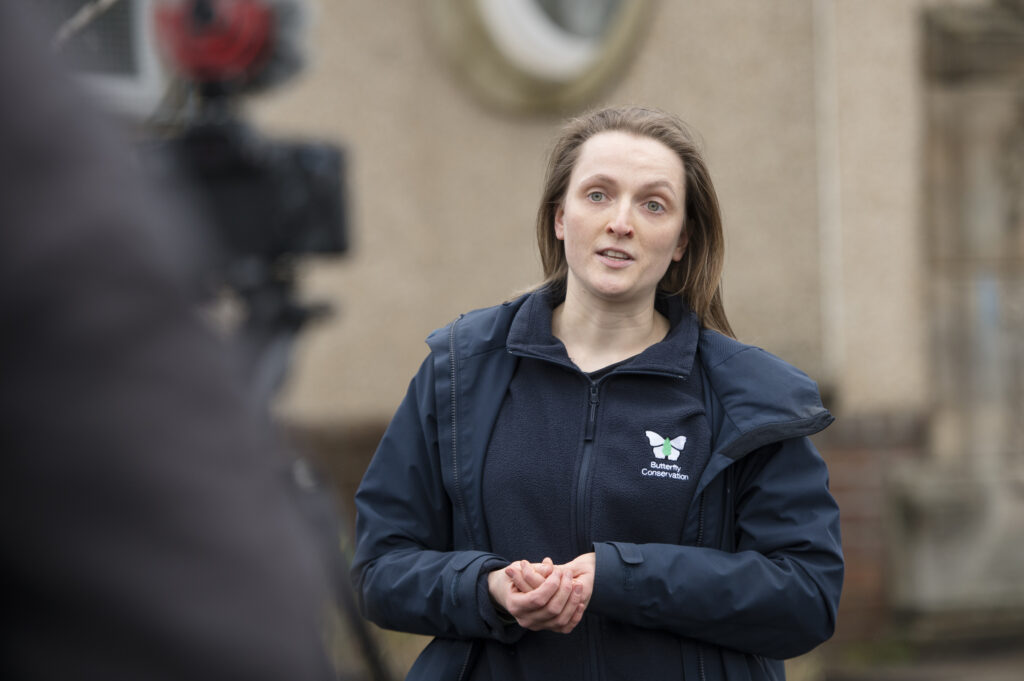
Claire Martin, Butterfly Conservation project officer. Image: Julie Broadfoot (provided by Butterfly Conservation)
‘Glaswegians hold their Dear Green Place close to their hearts’
Over two years it aims to create 15 Wild Spaces at public green spaces and provide 13 more Wild Spaces for schools with the help of pupils and staff.
It’s also envisaged that the funding will help 20 community hubs to create their own Wild Spaces and allow the project to engage at least 1,000 people.
‘Glaswegians hold their Dear Green Place close to their hearts,’ says Caroline Clark, National Lottery Heritage Fund director for Scotland.
‘Thanks to National Lottery players, this funding will give children in schools across the city, and the wider community, new opportunities to create and care for Wild Spaces in parks and public areas, ensuring Glasgow has plenty of dear green places for butterflies, moths and other essential pollinators to thrive.’
The team held a project launch event at St Martha’s Primary School on Thursday and have already selected parks across the city.
They plan to distribute Wild Spaces start-up packs including wildflower seeds for people to create miniature green havens wherever they live.
A long list of organisations has already expressed interest in joining the project including primary and secondary schools, LGBT Youth Scotland, Glasgow University and a host of community groups.
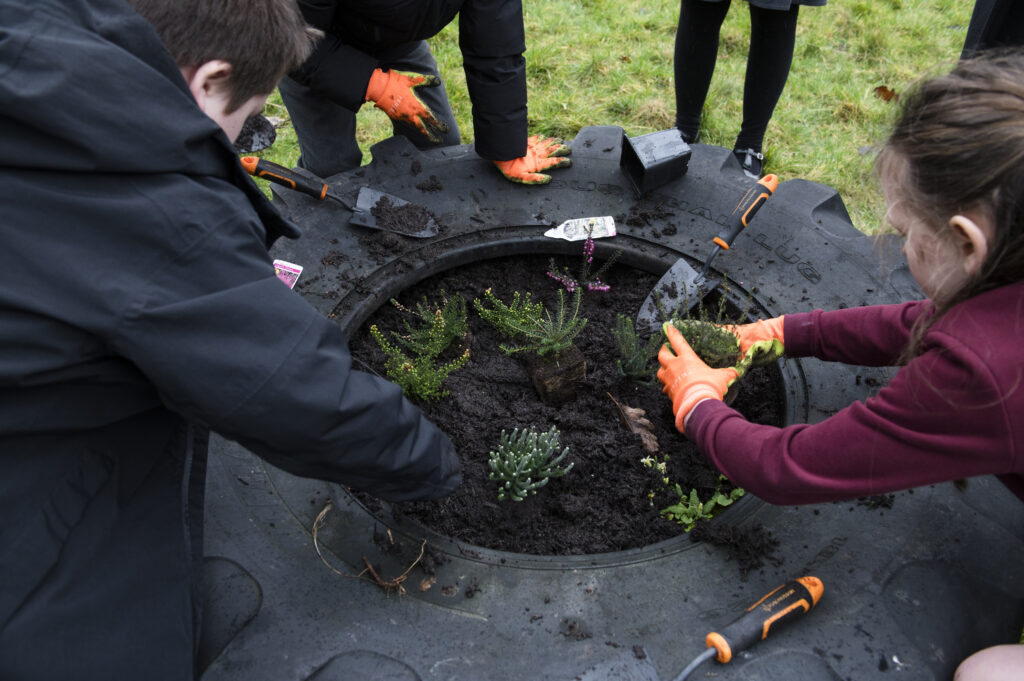
Glasgow Wild Spaces launch. Image: Julie Broadfoot (provided by Butterfly Conservation)
‘The Wild Spaces project will support new habitats across the city’
‘This is a great initiative to create more spaces across Glasgow for nature,’ says Angus Millar, Glasgow city convener for climate.
‘Pollinators such as butterflies and moths play a vital role in maintaining our natural environment and we need to provide food and shelter across all types of land to arrest their decline and help them thrive.’
‘The Wild Spaces project will support new habitats across the city, and is a particularly great opportunity for schools and local groups to support their local environment.’
‘I look forward to more Glaswegians having access to nature in their communities and to seeing green spaces across the city come alive in the year ahead.’
The initiative is part of Butterfly Conservation’s nationwide Wild Spaces programme which aims to empower people to take action for butterflies and moths, no matter where they live or how much green space is accessible to them.
A similar two-year Wild Spaces project in Perth and Stirling engaged more than 1,000 people and created 20 new areas of butterfly and moth habitat in urban and suburban areas.
Another ambition of the Glasgow project is to connect with five more councils outside of Glasgow, share some of the successes from the city and support them to take similar actions.
To get involved, email: wildspaces@butterfly-conservation.org
Breaktime News recently reported on Butterfly Conservation’s annual campaign encouraging people to put aside time to count the number of times they spot the insect.