
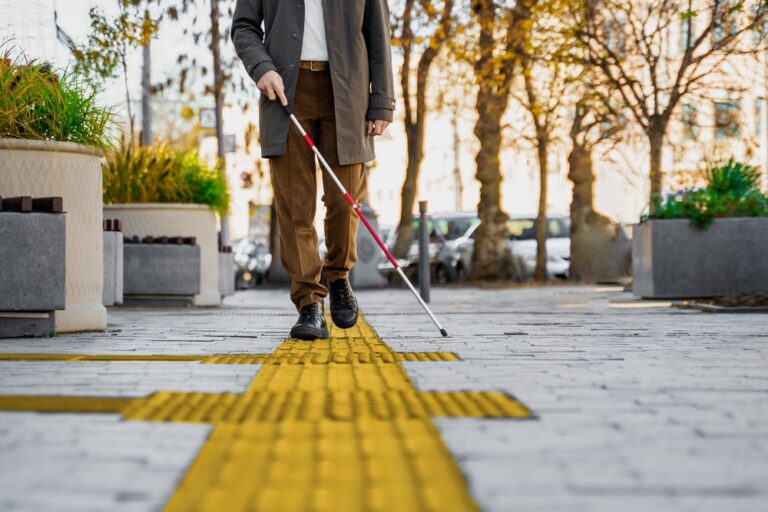
Charity predicts 27% rise in sight loss cases by 2035
There will be a 27 per cent rise in the number of people living with sight loss in the UK by 2035, says the RNIB.
The UK charity is calling for the UK Government to prioritise eye health. Research provided by the RNIB indicates there will be a 27 per cent increase in the number of people in the UK living with sight loss by the year 2035.
It bases its’ findings on the current prevalence of sight based issues alongside future population projections. It says an estimated 2.8 million people across the UK will be living with sight loss within the next eleven years.
Earlier this year saw news reports of a surge in demand for eye care services.

The research is based on estimates from 2022 and equates to an increase of 27 per cent in the number of people who will have sight loss by 2035. It says one in five people in the UK will experience sight loss in their lifetime.
In that same time, the charity says there’s likely to be a significant increase in the number of people in the UK with severe sight loss or being registered blind.
Some of the key factors leading to this rise in people living with sight loss in the UK include an increase in life expectancy, an ageing population and demographic changes.
In addition, waiting times for diagnosis and treatment and an increase in the number of people living with diabetes are also factors in even larger increases of people experiencing sight loss in their lifetime.
Calls to prioritise eye health
The RNIB is calling on the UK Government to prioritise eye health to stop avoidable sight loss and ensure everyone is getting the right support at the right time.
In England, the charity is calling on the Government to develop a National Eye Care Plan. Individuals can look after their eyes by attending regular eye tests every two years – even when there is no change in their vision.
The RNIB says having regular eye checks can pick up early signs of sight-threatening conditions. Early detection and timely treatment of certain sight conditions can help preserve sight and prevent avoidable sight loss.
‘Prevention, early diagnosis and treatment of common sight conditions are key to reduce the number of people who will experience sight loss in their lifetime,’ says RNIB’s Matt Stringer. ‘Regular eye tests are crucial in preventing avoidable sight loss.’
‘They’re essential for everyone, even if you think your eyesight is fine, as many conditions that can be picked up in a routine eye test, begin with no obvious symptoms and often sight conditions can be treated if detected early enough.’
‘In addition to eye health, an eye test can detect other health conditions such as diabetes, high blood pressure, raised cholesterol, risk of stroke and heart disease.’
‘As well as calling on the UK public to get their eyes tested regularly every two years, RNIB is calling on the UK Government to develop and implement a National Eye Care plan to fix delays in eye care and stop avoidable sight loss.’
