
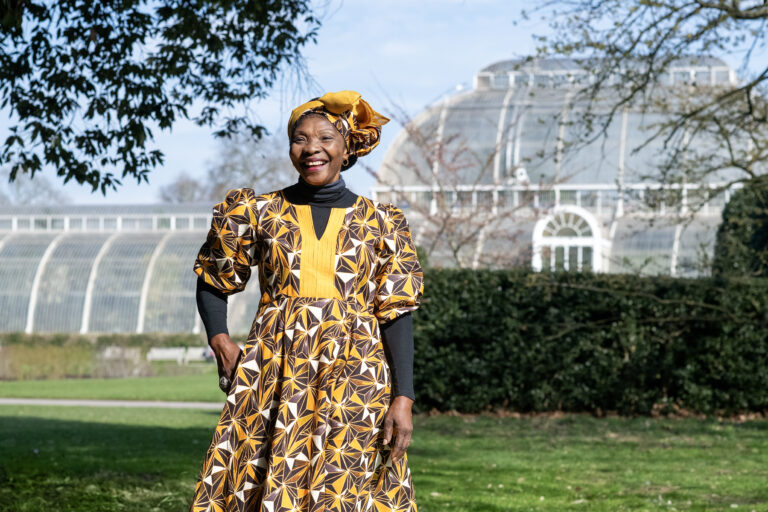
Environmental campaigner wins Kew’s top accolade
A Cameroonian environmentalist is celebrating following recognition by The Royal Botanic Gardens for her work as a campaigner. Dr Cécile Ndjebet is now the 17th recipient of the Kew International Medal.
Her role is intrinsically important for women looking to be more involved in forest management. The prestigious Kew International Medal was established in 1992.
Her work to boost women’s right to forested lands and resources means she’s now received ‘international recognition for achievements closely aligned with Kew’s mission to understand and protect plants and fungi, for the wellbeing of people and the future of all life on Earth.’
Previous award winners have included Sir David Attenborough (1996), President Juan Manuel Santos Calderón (2017), Mary Robinson (2019), Sir Partha Dasgupta (2021), and Professor Suzanne Simard (2023).

Nominations are received from across the organisation and the winner is decided by a selection panel.
‘Receiving the Kew International Medal is very important to me,’ says Dr Cécile Ndjebet. ‘It shows high recognition of what I’m doing together with my fellow rural women and the women and girls involved in my African community forest management network.’
‘I hope it will mean more engagement, motivation, and commitment to restoring African degraded ecosystems to help us become more resilient to climate change and enhance the livelihoods of our local communities.’
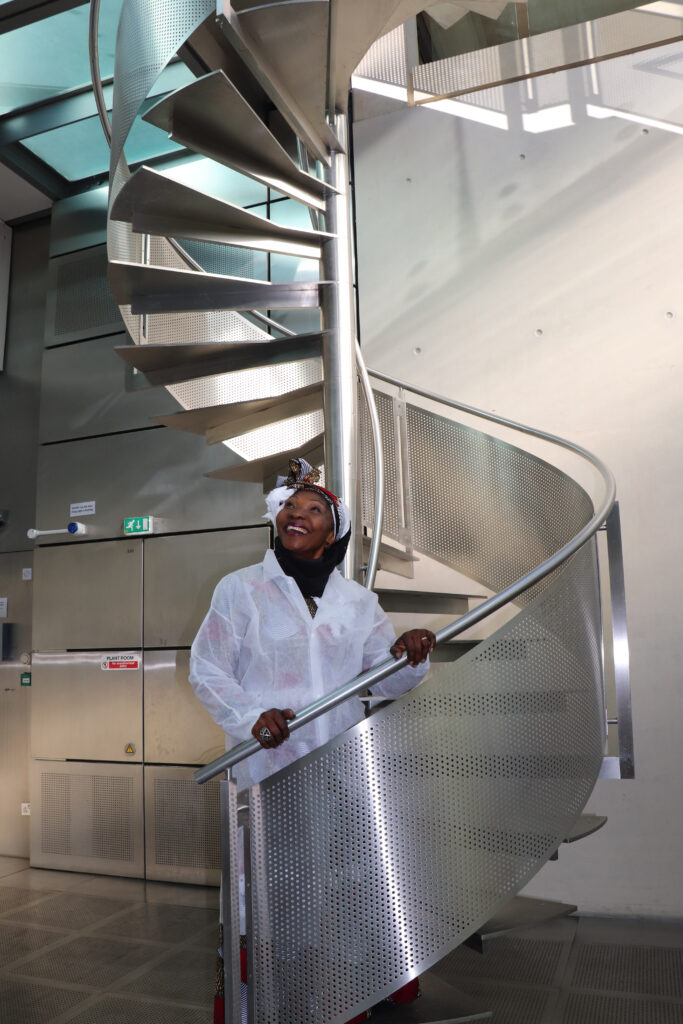
Dr Cécile Ndjebet at the Millennium Seed Bank at Kew’s wild botanic garden Wakehurst in Sussex. Image: RBG Kew.
‘The most challenging time in human history’
‘The world is experiencing the most challenging time in human history, and we must succeed together in safeguarding the planet. Climate change requires urgent systemic solutions and transitions.’
‘My vision is a world where we are successful at halting temperature increase and living in harmony with nature. Here, women and Indigenous Peoples take their rightful seat at the table to take action, and youth are taken seriously.’
‘In this vision, I see equitable and sustainable cities thriving. In this world, there is social equality and social justice, cooperation and abundance; there is peace.’
‘I see healthy ecosystems and forests providing food, clean water, and supporting livelihoods and economies for communities in Cameroon, Africa and the entire world.’
Cécile grew up in a forest community in Cameroon, where her love and respect for nature began from an early age.
In Cameroon, around 70 per cent of women live in rural areas where their livelihoods depend on forests and wild produce, yet in some communities, women can’t own or inherit forested land.
With Cameroonian forests increasingly under threat from illegal activities, Cécile has dedicated her career to improve conservation and livelihoods through mobilising women to support themselves through agro-forestry initiatives.
‘I first encountered Cécile’s extraordinary work when researching content for the Cameroon Orchids Festival at Kew in 2023,’ explains Dr Sharon Willoughby, Head of Interpretation at RBG Kew.
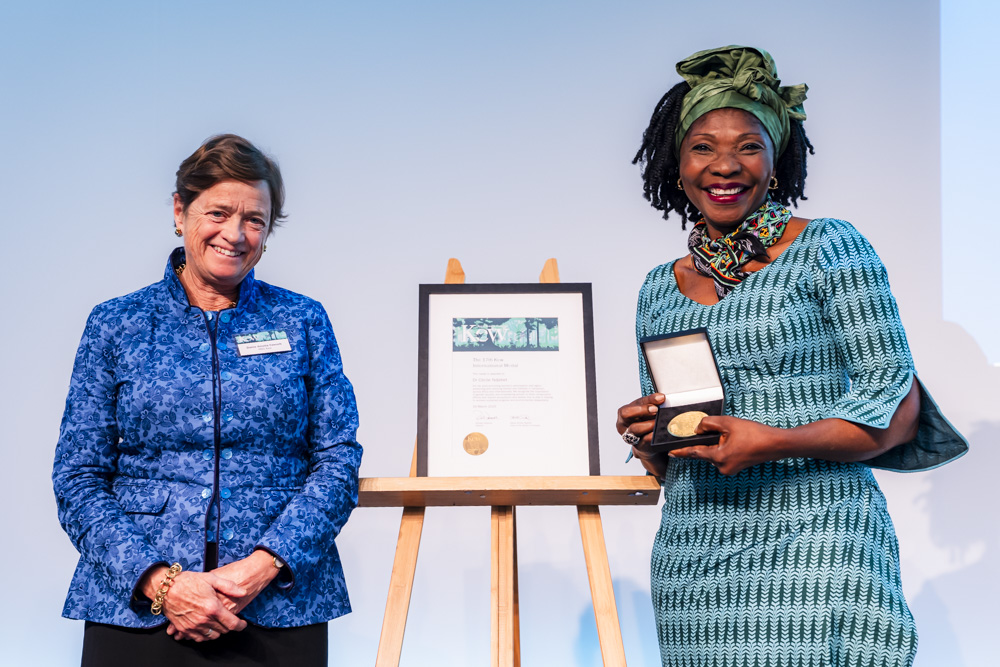
RBG Kew Chair of Trustees Dame Amelia Fawcett awarding Dr Cécile Ndjebet with the Kew International Medal. Photography: James Gifford-Mead (provided by RBG Kew).
‘Putting people at the heart of protecting nature’
‘I felt that her work was extremely inspiring with strong alignment to Kew’s values and the changes we are seeking to make in the world – putting people at the heart of protecting nature. I am thrilled that Cécile is this year’s Kew International Medal Winner.’
Cécile co-founded the African Women’s Network for Community Management of Forests in 2009 which now has representation from 20 countries across Africa.
In May 2022, she received the FAO Wangari Maathai Forest Champion Award in recognition of her leading voice on the importance of gender equality in forest management.
‘We are thrilled to select Cécile for this year’s medal for her commitment to protecting biodiversity for the benefit of people and planet, in close alignment with Kew’s own mission,’ says Richard Deverell, Director of RBG Kew.
‘(She) has garnered global recognition for her tireless work on the ground to conserve the incredible biodiverse forests in Cameroon whilst simultaneously improving the lives of women by campaigning for their right to own and manage land.’
‘This type of community-driven environmental action is at the heart of Kew’s scientific mission and purpose to find solutions that benefit people as well as nature.’
‘I am delighted we can pay honour to Cécile and the transformative effect she’s had on women and young people across Africa.’
RBG Kew have been working with partners in Cameroon and the wider Africa region to help protect its biodiversity.
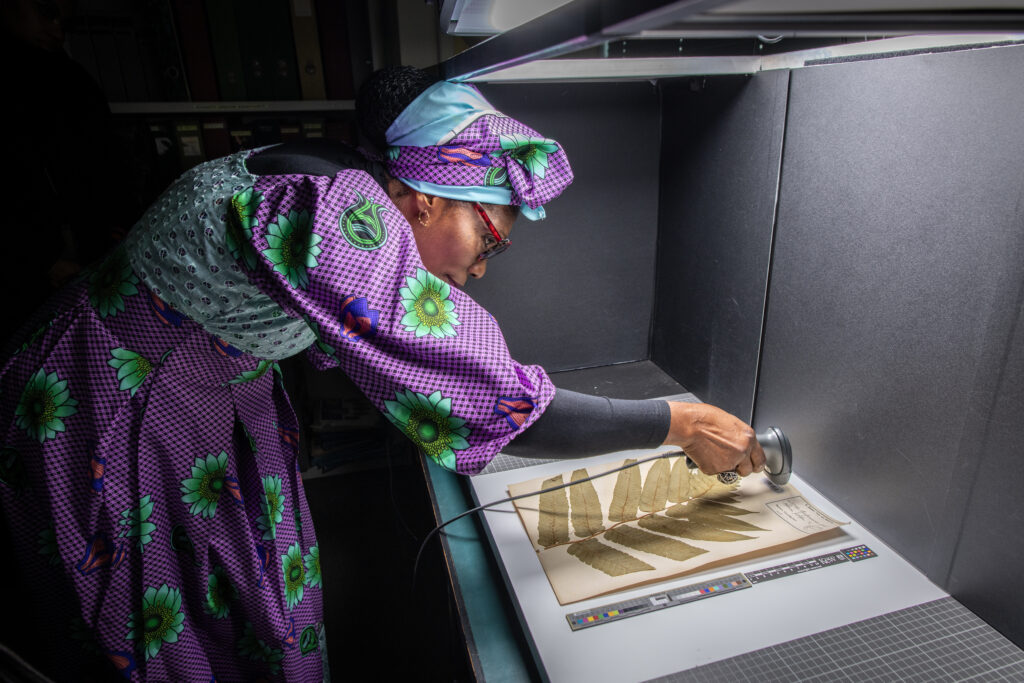
Dr Cécile Ndjebet digitising a specimen Diplazium proliferum from Cameroon in the collection at Kew. Image: RBG Kew
‘Documenting and understanding biodiversity’
The team’s reserved a specific focus on initiatives around ‘community conservation, livelihoods and species protection as well as documenting and understanding biodiversity.’
Kew’s Madagascar Conservation Centre was set up in the 1980s and now has more than 30 research staff working to enhance livelihoods, strengthen food security and find nature-based solutions to climate change.
In Cameroon, Kew has a Tropical Important Plant Areas (TIPAs) project, identifying and promoting the long-term conservation and sustainable management of the country’s most important sites for plant diversity.
Back in the UK, Kew’s Millennium Seed Bank in Wakehurst, Sussex holds the seeds of more than 2,000 plant species from Ghana, Sierra Leone and Guinea as part of the Global Tree Seed Bank Project.
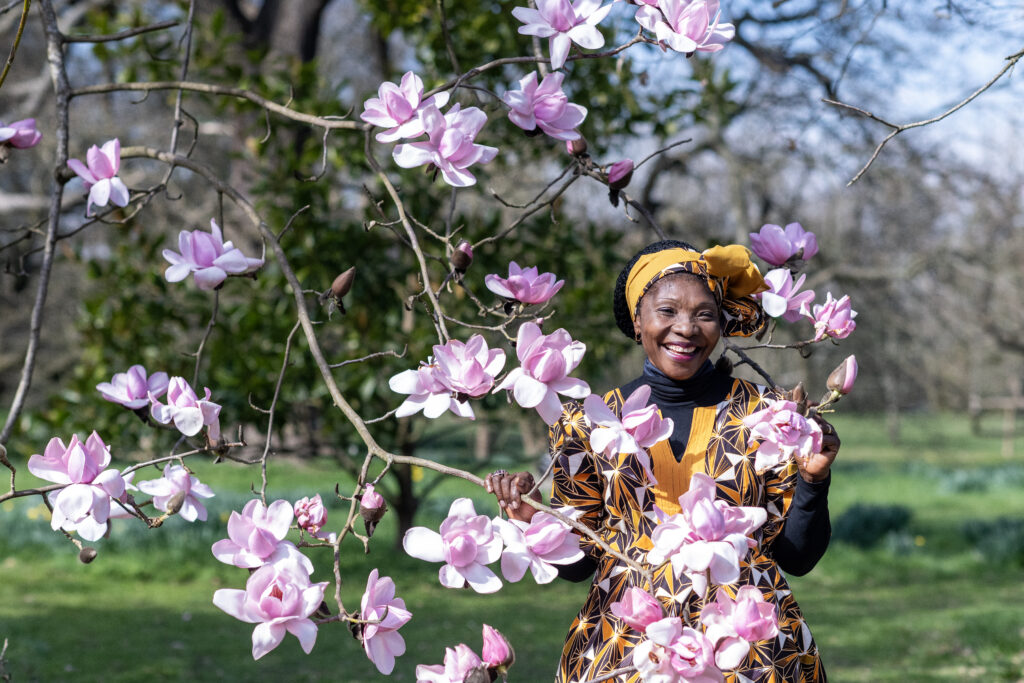
Dr Cécile Ndjebet at the Royal Botanic Gardens, Kew. Image: RBG Kew