
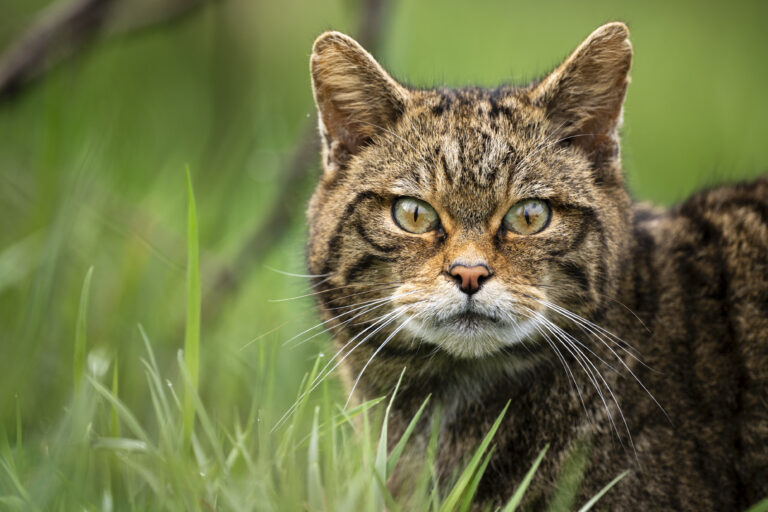
Aim to secure the future of UK’s most critically endangered mammal
The south west could support the reintroduction of European wildcats after more than a 100-year absence from the area, according to a new report published today.
The news marks a vital next step in helping to secure the future of the UK’s most critically endangered mammal.
The study finds a sustainable population of wildcats could flourish in the South West – and that 80% of people surveyed in the region were positive about their reintroduction.
The findings follow a comprehensive two-year investigation which was undertaken by the South West Wildcat Project. The project consisted of a partnership led by Devon Wildlife Trust working with the Forestry England and the Derek Gow Consultancy.

They analysed the impact of wildcat reintroduction on the community and considered the impact on other wildlife. Their remit also looked at the impact on livestock and pets.
‘It’s exciting that this report suggests wildcats could be part of the region’s nature once again,’ says Cath Jeffs, South West Wildcat Project lead for Devon Wildlife Trust.
‘The return of this critically endangered species would be another step in the restoration of our native wildlife and will help re-balance local ecosystems.’
‘Wildcats were once a widespread part of our countryside and today they remain an important part of woodlands throughout continental Europe including Germany, France, Spain and Italy.’
‘A lot of work remains to be done before the first wildcats could be released in the South West. Honest and open dialogue with stakeholders will be key to making sure the species and local communities could thrive alongside one another in the future.’
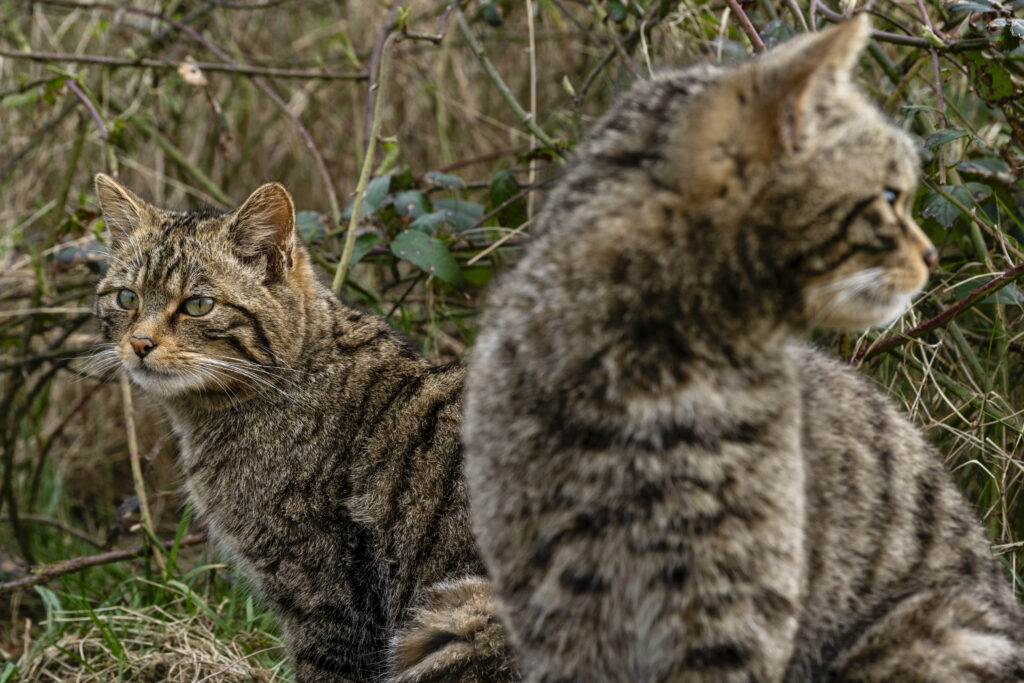
Image: Tom Mason (provided by Devon Wildlife Trust)
‘Wildcat reintroduction is socially viable’
The team considered the long-term sustainability of a wildcat population after reintroduction. European wildcats (or woodcats) were once widespread in the South West, along with many other parts of England, Scotland and Wales.
However, centuries of persecution, plus the loss and fragmentation of their favoured woodland and rough grassland habitats saw them disappear across much of their range.
The South West’s last wildcats are thought to have survived until the mid-nineteenth century. Today the UK’s only remaining wildcats live in the Highlands of Scotland.
Despite being given protected status in 1988 wildcats are now classed as ‘critically endangered’ and at risk of extinction with as few as 115 individuals remaining in the wild.
The Saving Wildcats project was established in 2020 to reinforce the animal’s numbers in Scotland.
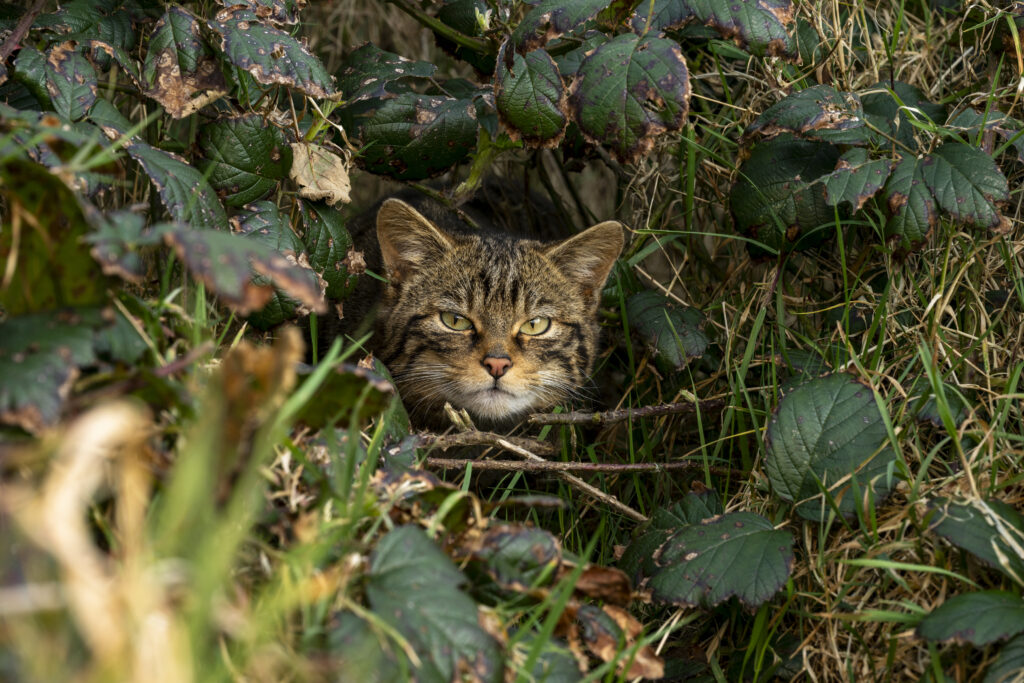
Image: Tom Mason (provided by Devon Wildlife Trust)
Previous research into restoring wildcats beyond their Scottish base concluded that the South West may provide the best combination of conditions needed to re-establish the native animal in England.
The South West Wildcat Project was established in 2023 to investigate the feasibility of a reintroduction to the region. Its report finds that the south west contains enough woodland cover, connected by other suitable habitat, to support a sustainable wildcat population.
It highlights a well-connected landscape of habitat across mid Devon as potentially the most suitable for reintroductions to take place.
‘Broad support for the idea of wildcat reintroduction’
The team also found that the significant majority of people in the South West expressed positive views towards wildcat reintroduction to their region.
‘From both in-person research with stakeholder representatives and public surveys, we found there to be broad support for the idea of wildcat reintroduction, yet with need to understand more about wildcats and the role they play in local ecosystems,’ says Dr Roger Auster, Lecturer in Environmental Social Science University of Exeter.
‘With the meaningful involvement of stakeholders during planning, we conclude that wildcat reintroduction is socially viable.’
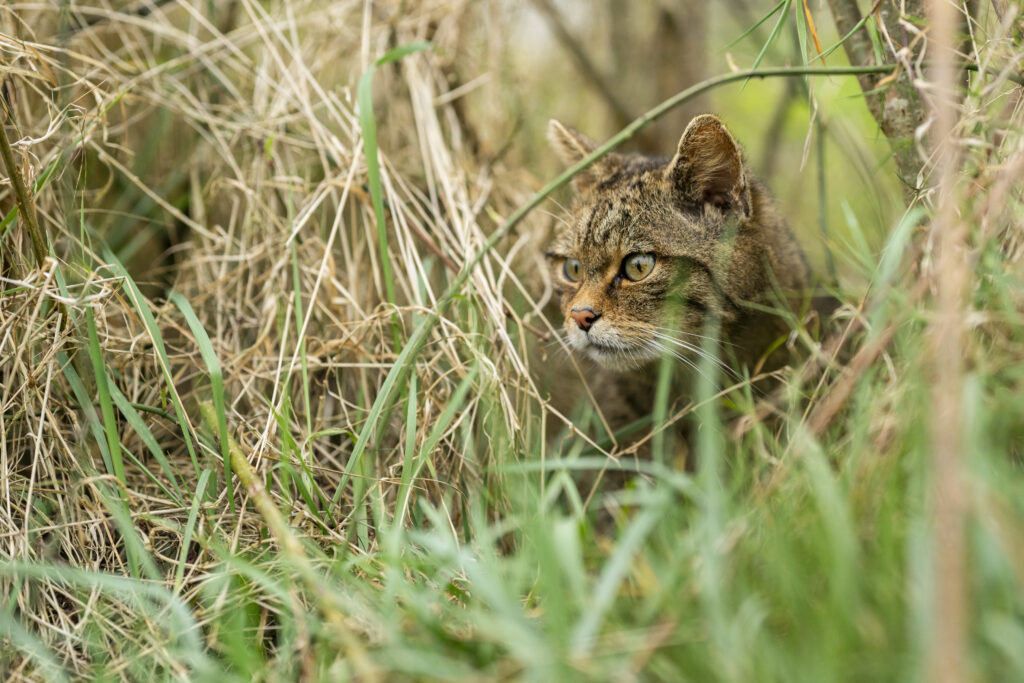
Image: Tom Mason (provided by Devon Wildlife Trust)
The report concludes that wildcats pose no significant risk to existing endangered wildlife populations, such as bats and dormice. It finds their presence would help ‘balance’ existing ecosystems by returning a missing predator which co-evolved alongside native wildlife.
The report adds Wildcats pose no threat to people, domestic pets or farming livestock such as lambs.
The report says that any future reintroduction project must also prioritise engagement with local communities.
Although there are no immediate plans to release wildcats into the area, the charity explains its commitment to developing plans for reintroduction alongside its partners. This includes securing funding to ensure the best chance of success.
‘Forestry England is proud to be a partner in the pioneering South West Wildcat Project,’ says Abby Parravani, Forest Planner at Forestry England.
‘I’m thrilled that the feasibility report shows the suitability of South West England to reintroduce this missing native species, contributing to the restoration of ecosystems across this landscape.’
‘We’re looking forward to the next phase of the project as we move one step closer to returning wildcats to the South West.’
Devon Wildlife Trust’s Cath Jeffs will be giving an on-line talk ‘Wildcats: could the UK’s rarest mammal make a return to Devon?’ on Thursday 4th December (6 pm).
Breaktime News has previously reported on the reintroduction of pine martens in the south west.