

An immersive habitat recreating humid climates for conservation of species
The humid climates of Asia and Africa is being recreated in a new habitat at Bristol Zoo Project. The Tropical House features 14 new reptile, mammal, insect and bird species.
All are living together in one environment but many of them are listed as threatened on the ‘red list’ of species by the International Union for Conservation of Nature (IUCN).
The habitat offers a ‘walkthrough’ experience for visitors, who will be able to see Critically Endangered radiated tortoise, as well as several free roaming bird species flying around their heads.
They include Mindanao bleeding heart dove and Palawan peacock pheasant, which are both classified as Vulnerable in the wild.

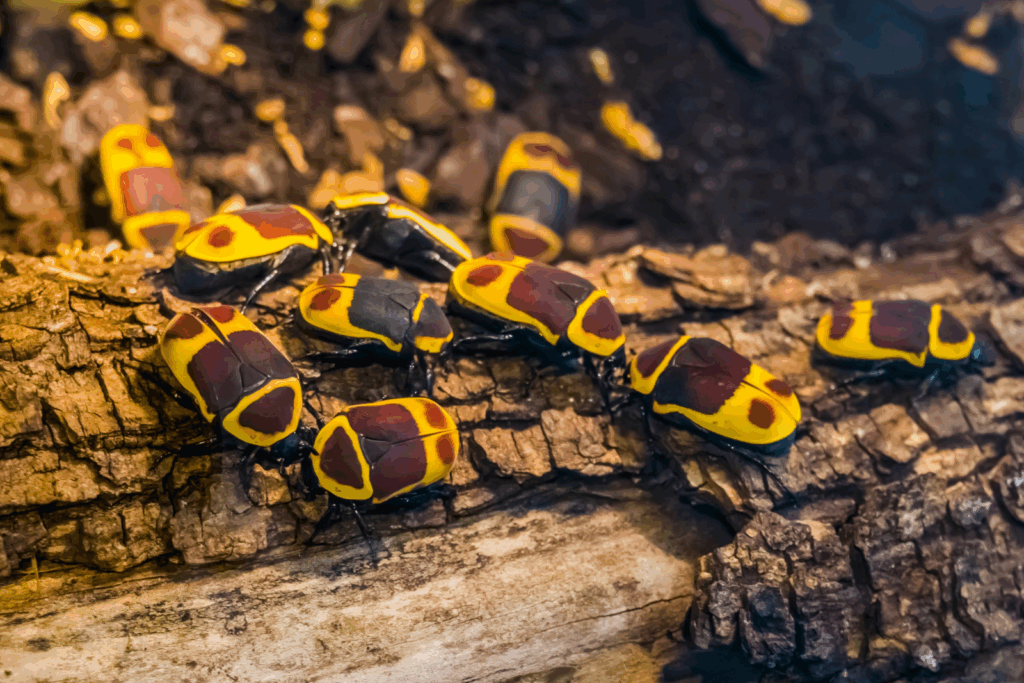
Group of sun beetles. Image provided by Bristol Zoological Society.
‘It has been exciting to see the Tropical House take shape and to welcome several new species to the zoo,’ says Nigel Simpson, Head of Zoo Animals at Bristol Zoological Society.
‘This is an immersive habitat where visitors are able to come face to face with birds, mammals and reptiles that they have most likely never seen before.’
‘Several of the species are facing significant threats in the wild. By bringing visitors closer to these animals, they can learn more about them, and we can raise awareness of their plight.’
‘85% of the animals cared for by Bristol Zoological Society are both threatened and part of targeted conservation programmes, and our aim is for this to rise to 90% by 2035.’
‘By visiting the zoo, our guests are helping to conserve and protect threatened species and the habitats in which they live.’
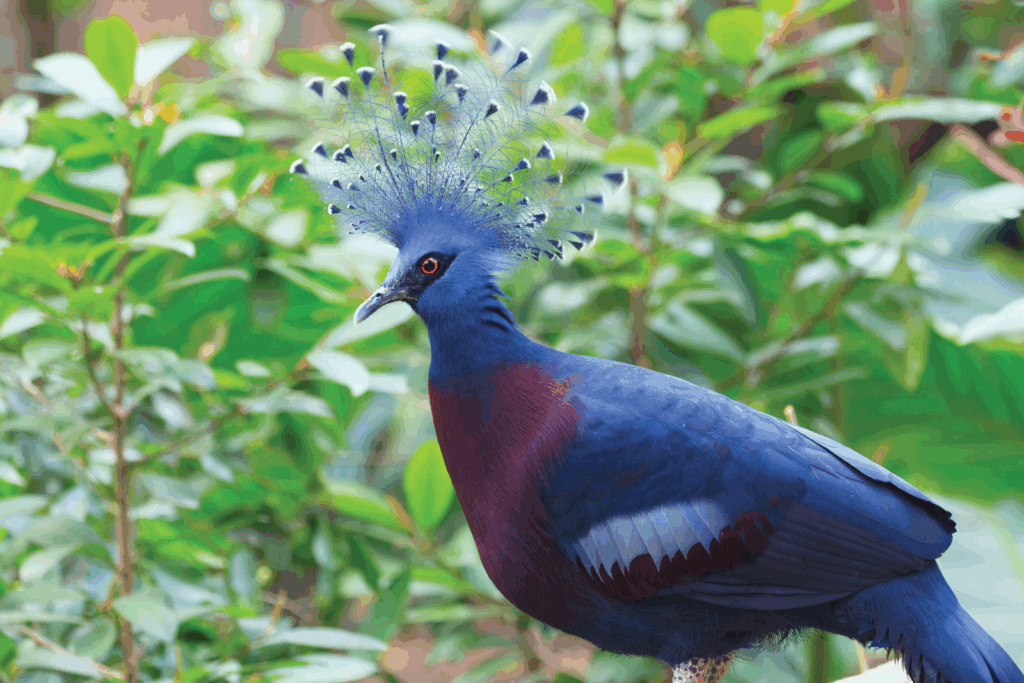
Victoria crowned pigeon. Image provided by Bristol Zoological Society.
‘Several of the species are facing significant threats in the wild’
Other species living in the Tropical House include a tiny Endangered Philippine mouse deer, four different species of African beetle and several beautifully coloured birds.
These include the Victoria crowned pigeon, superb fruit dove, grosbeak starling and orange headed thrush.
Bristol Zoo Project is run by conservation and education charity Bristol Zoological Society. It works in nine countries around the world, including Tanzania, the Philippines and Madagascar, where some of the new species can be found in the wild.
The Society is involved in more than 50 co-ordinated breeding programmes globally.
Two reptile species from this international project will be at the centre allowing visitors to see the Critically Endangered turquoise dwarf gecko and Vulnerable Henkel’s leaf tailed gecko.
The Tropical House is now open to the public. As well as exploring the new habitat, visitors can also join the Big Gift Hunt as part of the zoo’s Merry and Wild Christmas events, which begin today (Saturday 29 November).
There’s a festive trail to explore, prizes to be won and a chance to see the zoo’s animals receive daily festive feeds.
Breaktime News recently reported on Bristol Zoo Project becoming the new home for the British Rainforest Garden.
