
Experts aim to be ‘shedding light on new species’
Scientists from London’s Kew Gardens are planning to ‘shed light’ on areas around the world which are ‘teeming’ with biodiversity but where information about what’s there remains incomplete.
It’s expected the results will help decision makers decide on where to focus their efforts to try to ensure plant life and animal life are better protected. Experts say that there’s more than 30 regions where thousands of new species await discovery.
The team from Kew’s Royal Botanic Gardens will lead the project alongside other groups of scientists from around the world.
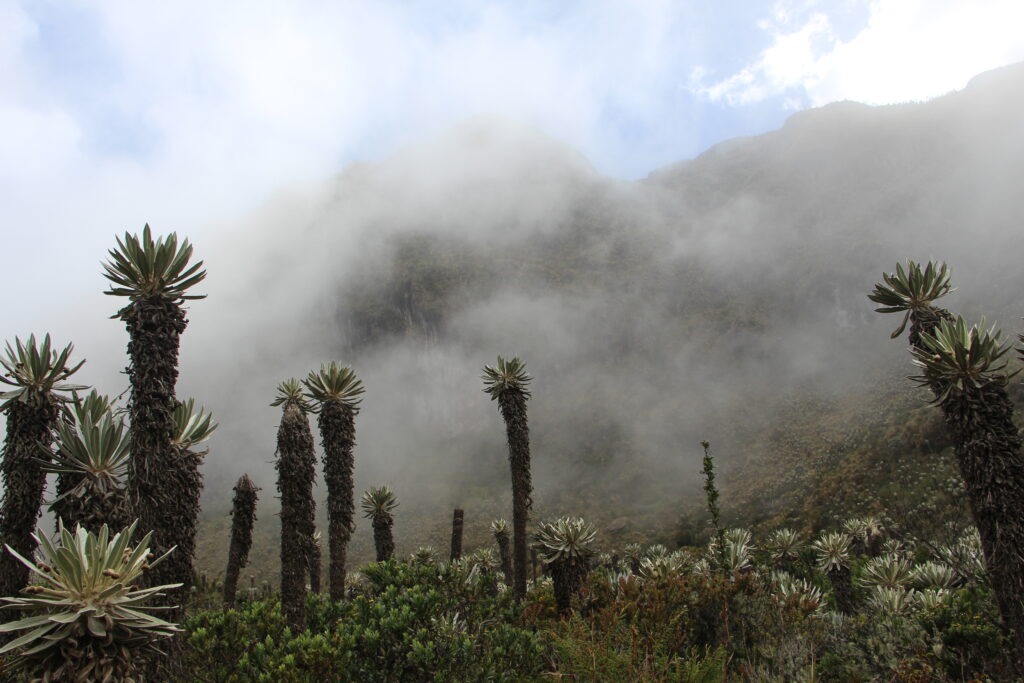
Information garnered from the ‘dark spot’ will help plant conservation. Image: Mauricio Diazgranados. Copyright: RBG Kew.

It comes after a study was recently published that identified a number of so-called ‘dark spots’ around the world. The report went on to state that three in four of the planet’s ‘undescribed plant species (are) already threatened with extinction.’
Scientists say the information they garner will be helpful in prioritising areas for plant conservation and conservation. Their goal is to try to stop (and reverse) the loss of biodiversity.
In simple terms, the study involved predicting the number of plant species that currently remain unnamed and unmapped. The researchers examined where the dark spots coincided with recognised ‘hotspots’ for regions of rich flora.
‘Resources to undertake new botanical expeditions or to digitise existing collections are limited, so prioritising collecting efforts is vital,’ explains Dr Samuel Pironon, Lecturer in Conservation Biology at Queen Mary University of London. He is also an Honorary Research Associate at RBG Kew and a lead author of the paper.
Documenting plant diversity
‘Our study provides a flexible framework to help accelerate the documentation of global plant diversity to inform conservation actions.’
‘Knowing where there are most species remaining unnamed and unmapped, of which many are likely to be threatened, is necessary for us to meet the 2030 targets of the Global Biodiversity Framework.’
In total, the work unveiled the presence of 33 ‘dark spots’ with 14 of them spanning parts of the Asia-Tropical region.
‘Recognising and accounting for plant diversity dark spots is essential to achieving comprehensive conservation priorities,’ explains Ian Ondo, Senior Data Analyst at RBG Kew.
‘It ensures that critical areas are inclusive of underrepresented biodiversity and receive attention and protection, ultimately enhancing global efforts to maintain biodiversity.’
‘Many species that are not yet described by science, are in fact well known by Indigenous and local communities,’ explains Dr Kiran Dhanjal-Adams, Future Leader Fellow at RBG Kew.
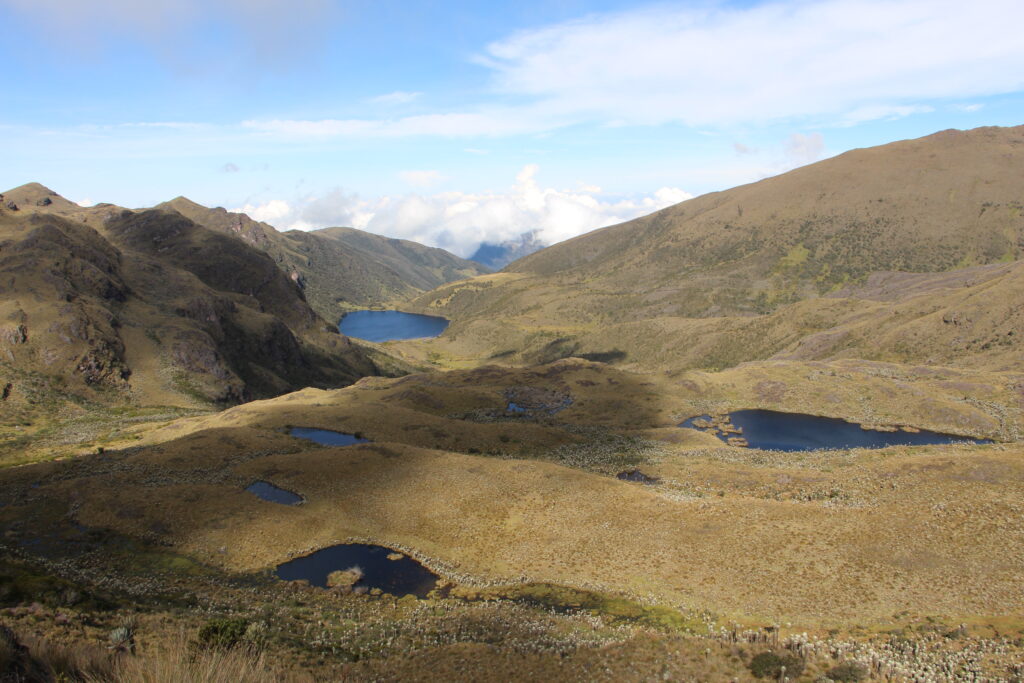
Collecting and preserving samples to support conservation. Image: Stuart Cable / Copyright: RBG Kew.
The collection of biological specimens from the wild is a fundamental part of the natural sciences. Researchers from all around the world continue to collect and preserve samples of different organisms to advance research and support conservation actions.
These scientific collections which require special permits can help to identify new species and explain how climate change is affecting the natural world. The research can also yield new medicines and fuels.
Kew’s 2030 Declaration on Scientific Plant and Fungal Collecting can be read in full here.
Earlier this year, the team at Kew Gardens produced a report using novel climate models, empirically tested by Kew horticulturists and scientists, to determine what species need to be planted now to help protect UK landscapes for future generations.
