
Survey follows severe impact caused by Avian Influenza
Ornithologists will be carefully pouring through the results of the annual bird counts on the Farne Islands which show a ‘mixed picture for the internationally important seabird colonies.’
It’s been just two years since several species were severely impacted by an outbreak of Avian Influenza.
Experts say this year’s count on the Islands, was vitally important given the islands’ three seasons of closure between 2020 and 2024. The site was firstly shut down due to Covid-19 and was then immediately affected by bird flu.
The area is an internationally significant sanctuary for the 200,000 seabirds that return each summer to breed.

The impact on bird flu on the colonies was striking with teams collecting 6,000 dead birds from the islands. Thousands are thought to have been lost at sea.
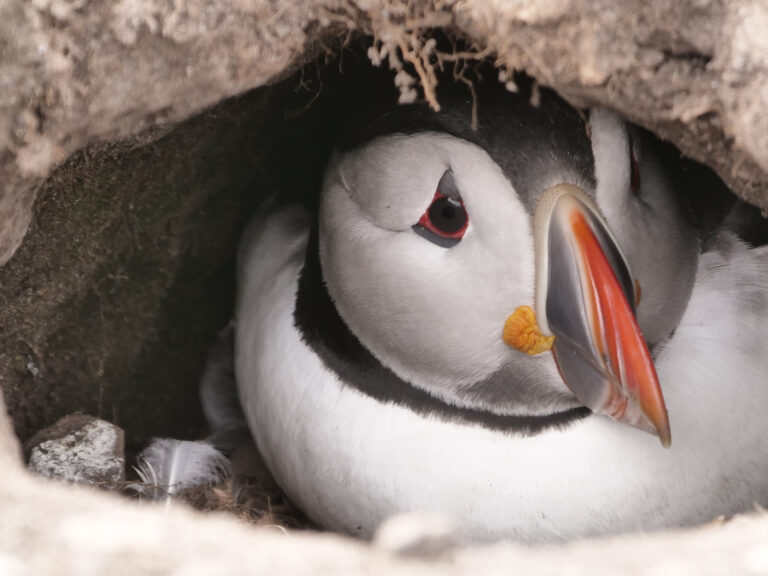
The survey found that the puffin, for which the islands are best known, saw numbers of breeding pairs drop by nearly a quarter when compared to 2024’s figures.
Yet, despite this decrease, experts are cautioning against interpreting it as a sudden population decline, noting the need for long-term monitoring.
‘Counting puffins is a notoriously complex task,’ says Ben McCarthy, Head of Nature Conservation at The National Trust.
‘There is no single perfect method, and annual variations in survey conditions, puffin behaviour, and environmental factors all influence the count.’
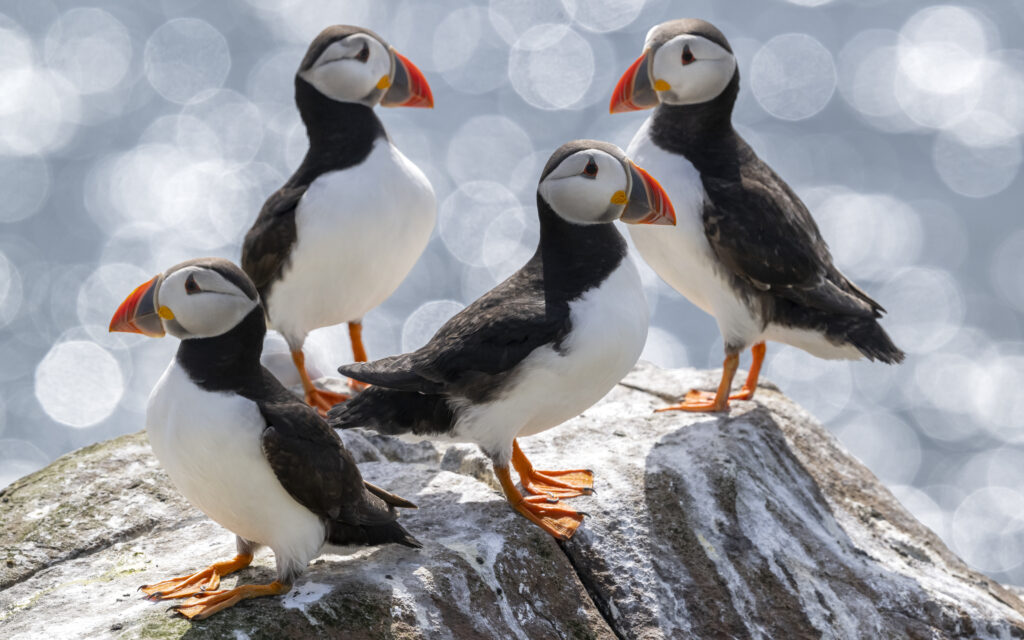
Puffins on the Farne Islands, Northumberland. Photography: © Rachel Bigsby / National Trust Images
‘Protecting puffins over the long term’
‘While the decline in numbers is concerning, it’s important to view this year’s results within the broader context of global puffin trends.’
‘The shift we made to annual monitoring in 2019 reflects the Trust’s commitment to understanding and protecting puffins over the long term.’
‘The puffins, although impacted by the bird flu outbreak in 2022/23, were not as impacted as other species thanks in part to their naturally self-isolating behaviour of nesting in burrows and their regular burrow cleaning.’
‘To better ensure the accuracy of our data we will now reassess density areas every five years to better reflect the dynamic nature of the islands’ landscape.’
‘Soil erosion, driven by the expanding grey seal colony and extreme weather events such as Storm Arwen a few years ago, is reshaping puffin nesting habitats – making structured long-term monitoring more critical than ever.’
Teams are implementing measures to deter seals from disturbing puffin nesting areas during their breeding season.
Their tactics include using scarecrows, sound-based deterrents and partial barriers positioned near high-density nesting sites.
The aim is to encourage seals to remain within their usual pupping areas, minimising disturbance to puffin burrows while maintaining a respectful balance between both species.
‘What we’re seeing on the Farnes is part of a much bigger picture’
‘We know puffins are facing challenges globally, from climate change to shifting food sources,’ explains Sophia Jackson, Farne Islands Area Ranger.
‘What we’re seeing on the Farnes is part of a much bigger picture. This year’s census doesn’t necessarily mean puffins are disappearing overnight – but it does reinforce the need for consistent, long-term data.’
‘That’s why we’ve moved to annual surveys. It helps us respond more quickly to changes and protect these incredible birds more effectively.’
Among the most encouraging results is the Northern Fulmar, with numbers appearing to more than double — rising from 106 to 235 nesting pairs.
Common Eider numbers also saw a strong upward trend, increasing by more than 50%.
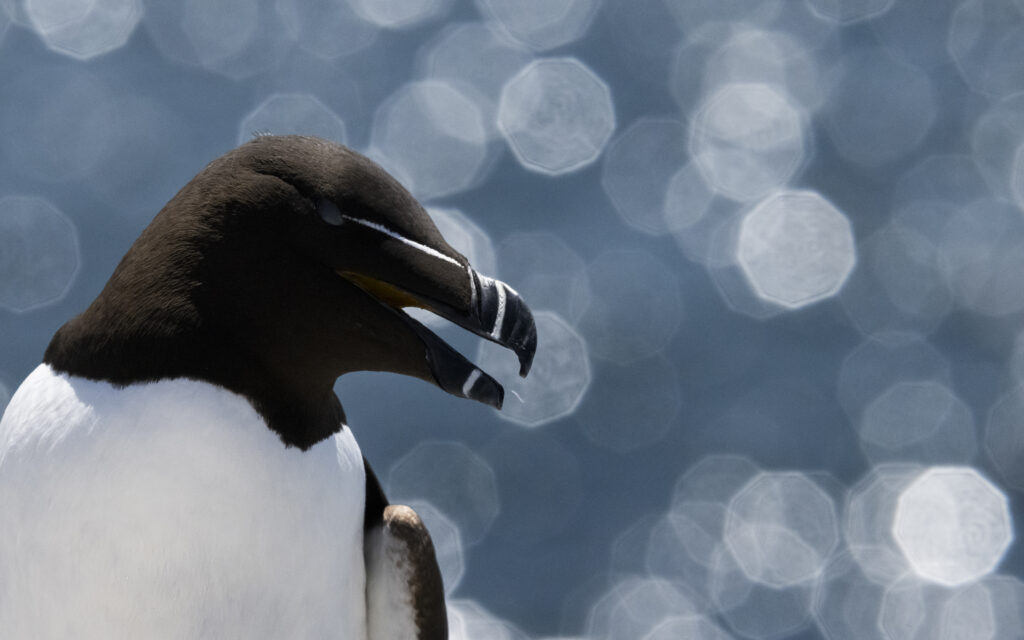
Other species appearing to show positive gains include the Greater Black-backed Gull which saw numbers up by 100% while the Herring Gull was up by nearly 60%. Guillemots experienced a modest increase of 2%.
Arctic Terns, one of the Farnes’ most iconic species, also saw a healthy rise, increasing by more than 25% on the 2024 figures.
Ornithologists say it’s a welcome boost for a species that faces increasing pressure from climate change and food availability.
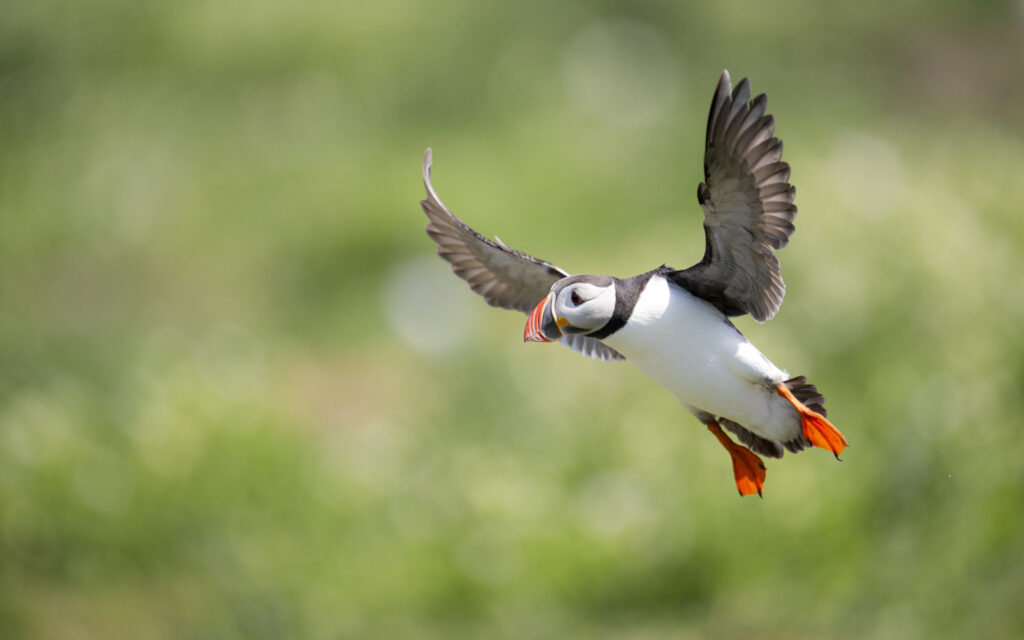
A puffin on the Farne Islands, Northumberland. Photography: © Rachel Bigsby / National Trust Images
‘Making structured long-term monitoring more critical than ever’
The survey finds other species are facing a struggle with the Common Tern seeing its numbers appearing to fall by half.
The 28 islands are considered a safe haven thanks to its location more than one mile off the coast of Northumberland.
The location experiences varying visibility depending on the tide and provides the ideal habitats for 23 species of breeding birds, as well as being an important stop-off point for a host of migratory birds from Long-eared Owls to Bluethroats and Ring Ouzels.
During the winter it is also home to a significant colony of grey seals who return each year to pup.
The National Trust has produced information about the species that live and migrate to the Farne Islands.
Breaktime News previously reported the start of this year’s puffin count on the Farne Islands.