
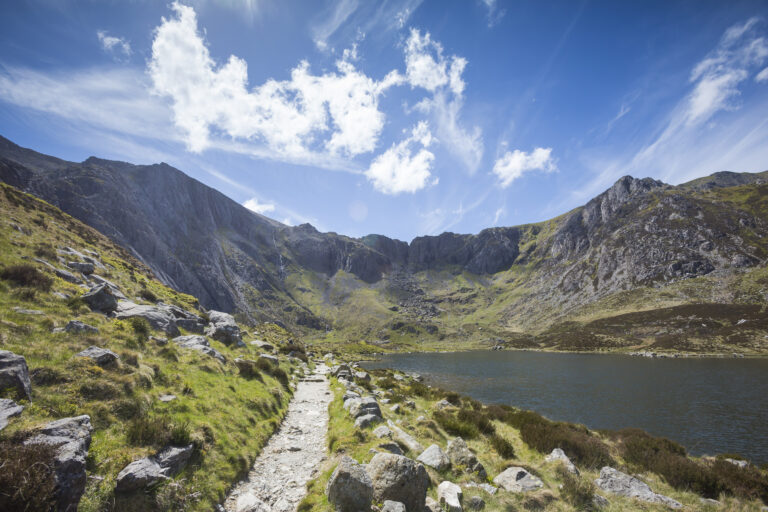
Charity asks people to keep countryside tidy
The National Trust is urging people to ‘leave no trace’ this bank holiday weekend to help protect nature and the country’s favourite outdoor spots.
Its message follows reports by rangers that there’s been a considerable increase in fly camping and littering impacting conservation work, wildlife, grazing animals and farm tenants.
The Trust is asking people to follow a few simple guidelines from the Countryside Code to respect the countryside and other visitors.
It says there’s been a ‘prominent increase in illegal fly camping and littering over the summer months at countryside and coastal locations.’

To reduce pollution, the NT team is asking people to ‘appropriately dispose of their litter, use designated campsites, not to light fires and to leave barbeques at home.’
This summer, places cared for by the National Trust which have experienced issues include the Lake District, Peak District, Eryri (Snowdonia) and Dunstable Downs in the Chilterns Area of Outstanding Natural Beauty.
The additional workload puts additional strain on countryside teams, taking them away from vital conservation work and placing beloved sites and nature at risk.
The charity is particularly concerned about the impact of ‘anti-social fly camping’ where staff have come across people discarding tents, camping chairs and even cutting down trees.
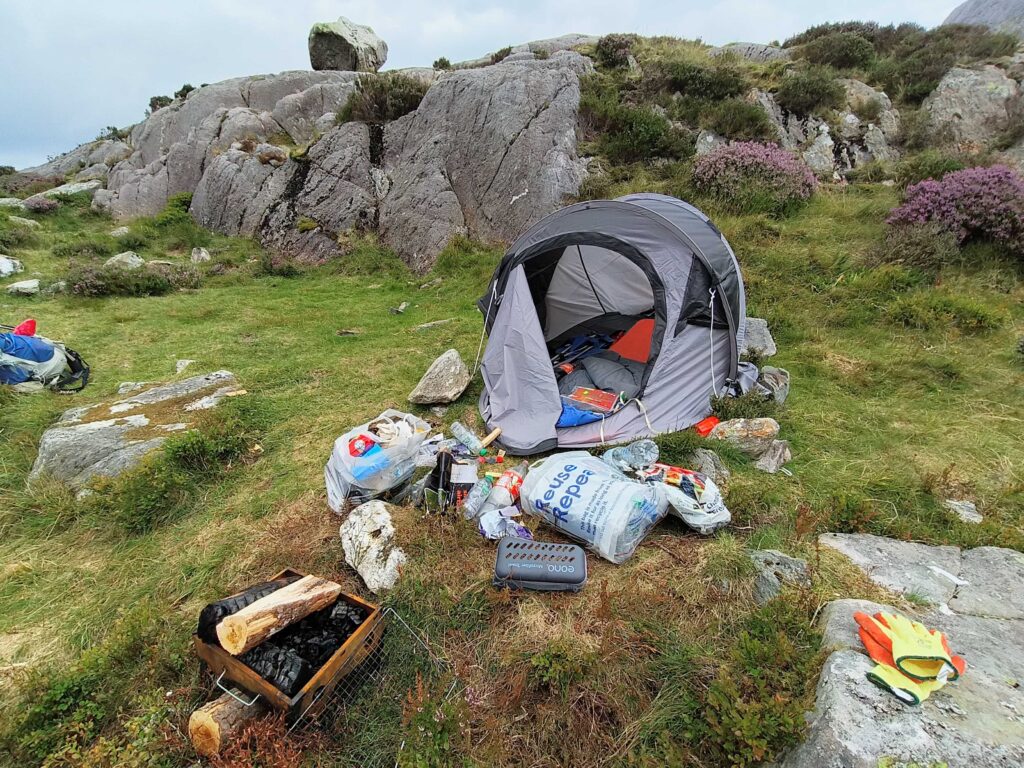
Remnants of ‘fly camping’ at Cwm Idwal, Eryri (Snowdonia). Image: Rhys Wheldon-Roberts / National Trust.
Rangers taking a ‘proactive’ role in the Lake District
The issue is damaging lakeshores in the Lake District and nearby teams of rangers have taken a ‘proactive’ role in its messaging to the public.
‘Every summer we see large volumes of rubbish left behind from illegal camping, and recently we collected 16 binbags of rubbish from Ullswater’s lakeshore on just one ranger patrol,’ says Stephen Dowson, the National Trust’s Lead Ranger for Ullswater.
‘This litter not only looks awful but poses a threat to wildlife where they can get entangled in it or mistake it for food. The majority of waste is non-biodegradable such as plastic which can last for years, polluting the environment.’
‘The Lake District is one of the most iconic landscapes in the UK and we want to encourage visitors to have a good time here whilst minimising their impact on the countryside and local communities. It’s easy to enjoy the area responsibly by taking litter home with you.’
Across the Peak District including at hotspots including around the flanks and woodlands near Kinder Scout and in the Upper Derwent Valley rangers and volunteers are regularly hauling out abandoned tents and bags full of litter.
‘Even during non-peak times such as during rainy weather we are seeing examples of fly camping, parties and anti-social behaviour,’ says Chris Lockyer, National Trust Area Ranger in the High Peak area of the Peak District.
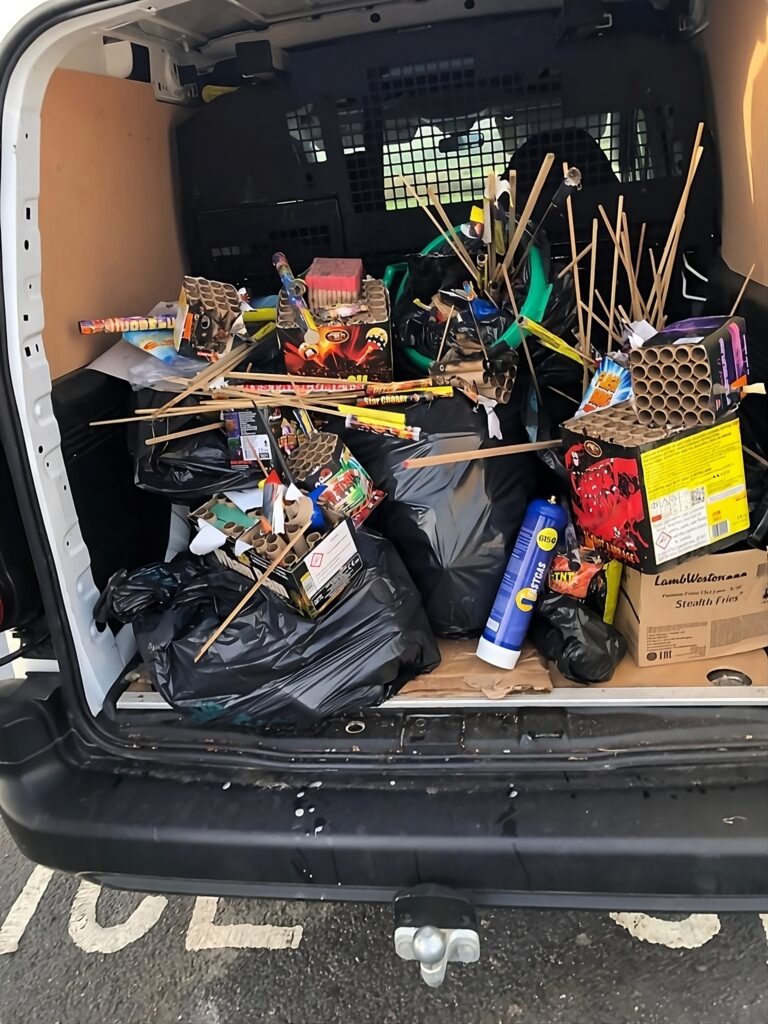
One morning’s worth of litter cleared up off Dunstable Downs, East of England. Image: David Lander / National Trust.
‘We spend a lot of time removing tents, other camping equipment, barbecues, food waste and broken glass left behind by people who don’t follow the countryside code of leave no trace.’
‘Not only is this an eyesore to visitors who want to visit here responsibly, it is harmful to wildlife and the environment. It is also causing a very real fire risk which could be devastating.’
‘Land in our care is providing homes for wildlife’
‘If the peatlands catch fire they can burn for days, risking the lives of people and animals at the same time as damaging the landscape.’
‘We are carrying out a huge amount of conservation work to make sure the land in our care is providing homes for wildlife at the same time as capturing carbon and reducing flood risk.’
‘Irresponsible behaviour of a minority but growing number of people risks undoing our work and takes the time of our ranger team to deal with it.’
The National Trust adds that, in Eryri (Snowdonia) at Cwm Idwal, fly camping, BBQs and scattered litter is ‘harming a highly protected habitat, the oldest National Nature Reserve in Wales famed for its rock formations and rare and fragile plant life.’
It adds that heat from a recent campfire even managed to break apart a 450 million year-old glacier carved rock – a protected feature of the upland location.
‘Cwm Idwal has seen a dramatic increase in biodiversity due to conservation efforts over the last 30 years. However, this is being endangered now due to the behaviour of a small minority,’ says Rhys Wheldon-Roberts, Cwm Idwal Partnership Officer.
‘Almost nightly there is fly camping at Cwm Idwal, people lighting BBQs, campfires, leaving litter in the nature reserve.’
‘The BBQs and campfires are a concern as they burn the ground, which is a highly protected habitat, but there is also the danger of a fire spreading and threatening years of important conservation work.’
Minimising the impact on nature
‘It’s great to see more people coming to connect with nature but it’s important it’s done in the right way, to leave no trace and camp at one of the designated campsites nearby in the valley, minimising your impact on nature and on other people’s enjoyment of Cwm Idwal.’
At Dunstable Downs in the East of England the level of anti-social behaviour and litter has reached a point where the Trust are struggling to keep the popular location clean and tidy for visitors and wildlife.
‘We have had a long-standing problem of litter at Dunstable Downs where a change in behaviour with regards to litter and anti-social behaviour is urgently needed,’ says Jessica Eykel, Visitor Experience Officer.
‘On average we’re currently spending 15 hours a week of staff and volunteer time collecting litter, time that could be focussed on conservation work.’
‘We are asking visitors to take their litter home or recycle appropriately at the Gateway Centre to help us protect the Downs. Leaving debris and litter behind can cause issues for wildlife such as injuring animals and destroying habitats.’
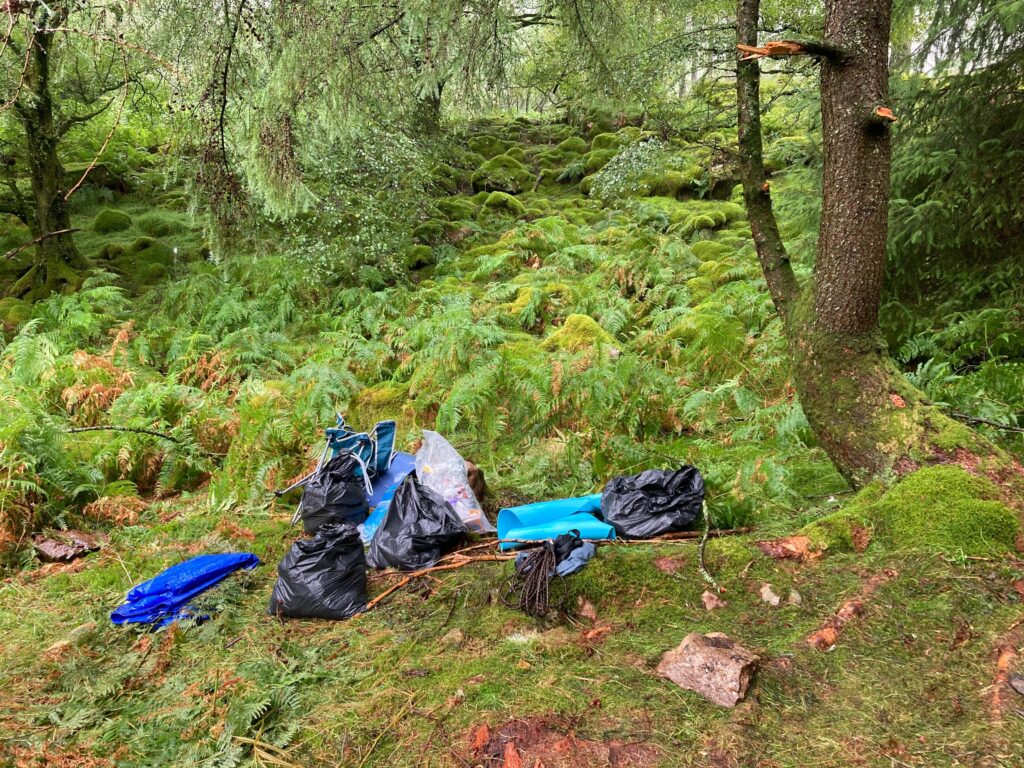
Cleaning up litter and equipment left by fly campers in the Lake District. Image: Miriam Wood / National Trust.
A set of top tips for responsible visiting of the countryside can be found on the National Trust website by searching for ‘Countryside Code.’
‘We welcome several million people to our countryside and coastal locations each year and we want to do all we can to ensure visitors can enjoy their time in the countryside,’ says Ben McCarthy, Head of Nature Conservation & Restoration Ecology at the National Trust.
‘But it’s infuriating when a small minority of thoughtless people leave their rubbish behind that impacts both our wildlife and other visitors who have come to enjoy the nature and the outdoors.’
‘By taking simple steps – and by following the Countryside Code – we can help ensure that all our visitors can enjoy themselves, while helping our ranger teams do their jobs.’
‘We want to remind people to enjoy all places responsibly and to help play their part in looking after them by leaving them as they found them.’
Similar projects have been run by a number of conservation organisations over the past few years, including the RSPB’s Watch Your Step campaign which is designed to protect ground level nesting sites.