
Charity set to create new wetlands and release wild beavers
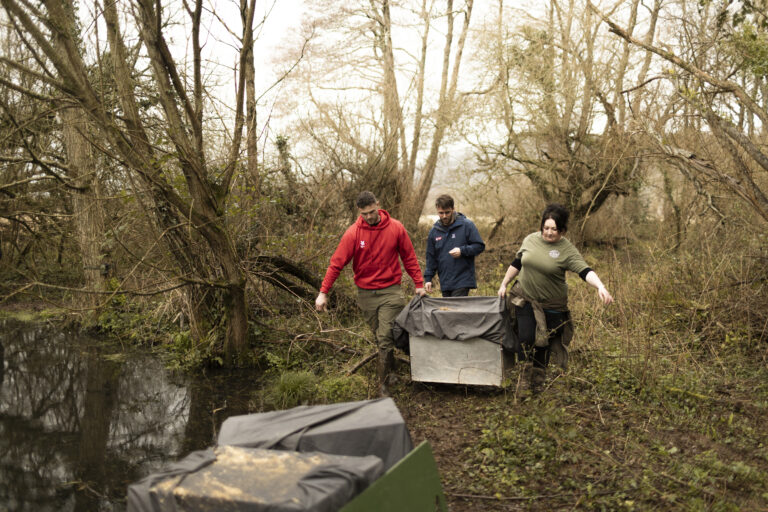
Beavers are being re-introduced back into the wild by The National Trust as the charity undertakes wetland restoration work in Somerset. Two sites were selected for the legal release at the Holnicote Estate on Exmoor in Somerset.
Other animals will be released over the coming days in areas where they can establish their own territories to engineer wetlands, build dams and shape diverse habitats to benefit other wildlife and communities alike.
Experts explain that the release across the catchment will also help to develop a robust and genetically diverse local population.
The wild release is the second by the charity granted under licence from Natural England since a major policy shift on species reintroductions in England came into force early last year.

The first wild release taking place on the National Trust’s Purbeck Estate in Dorset in March. It follows the two successful re-introductions into enclosed areas on the Holnicote Estate in 2020.
‘This is incredibly exciting and is the latest step in our ambitions to restore a huge swathe of Somerset countryside and moorland to help bring back nature,’ says Ben Eardley, National Trust Project Manager.
‘Beavers are extraordinary partners in our work to restore nature at scale. Over the last few years we’ve seen how their dams and wetlands transform the landscape, create habitat and help buffer both floods and drought.’
‘Each pair, or family need their own space. Across the Estate they will have the opportunity to develop their own territory, enabling them to create wetlands, ponds, build dams, and enrich the landscape in ways only beavers can.’
‘It was a privilege to witness beavers returning to Somerset’
‘These ‘ecosystem engineers’ play a vital role in slowing water flow, creating and holding wetland habitats, reducing erosion, improving water quality, and the habitats they create will support a wide range of species.’
The wild releases are playing a key role in accelerating the National Trust’s nature recovery programme across the 12,000 acre Holnicote Estate. The goal is to develop a climate-resilient landscape which benefits wildlife and the environment.
Together, these initiatives represent a bold step towards transforming Holnicote into a living example of what a restored, resilient countryside can achieve — for people, for nature and for future generations.
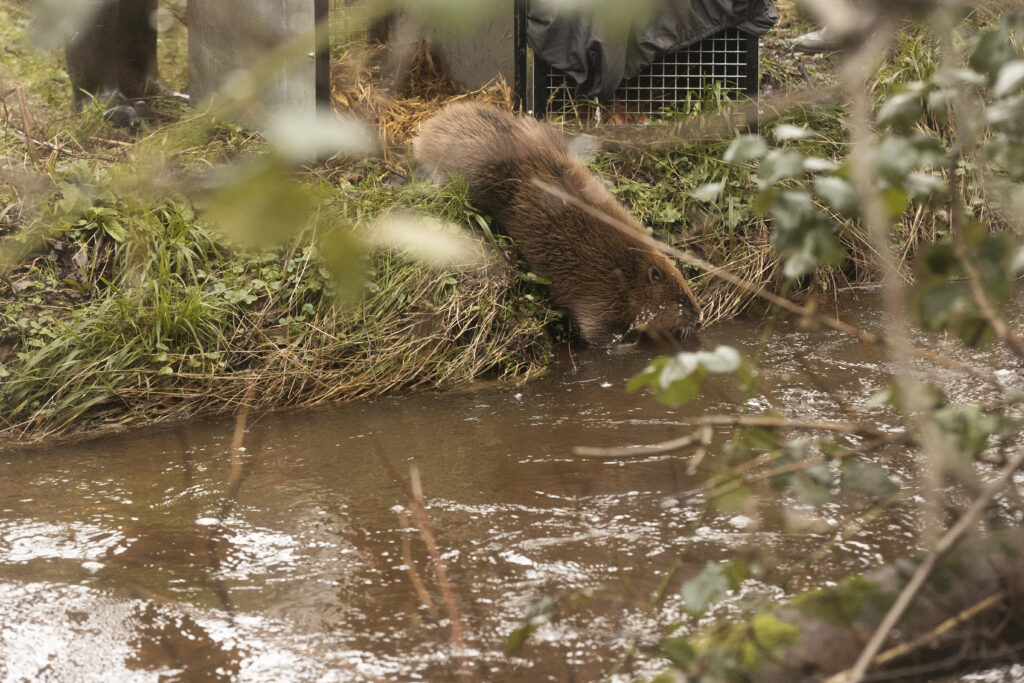
A newly released beaver enters the water. Image: © James Beck / National Trust
‘It was a privilege to witness beavers returning to Somerset. These extraordinary creatures are brilliant for biodiversity, reduce flood risk and improve water quality in our rivers,’ explains Mary Creagh, Nature Minister.
‘The return of beavers is a vital part of this government’s mission to protect and restore nature and we’re working closely with local communities to maximise their benefits.’
With beavers famous for their dam building qualities, and the south-west of England recently experiencing severe rainfall, the National Trust emphasises that reintroducing the mammals is not a quick fix for flooded areas.
‘We are delighted to have approved a second beaver release licence for the National Trust, following the success of their wild beaver release in Dorset last year,’ says Marian Spain, Natural England Chief Executive.
‘This latest release builds on a growing network of responsible, well-planned reintroductions across the region with the potential to make a huge difference to nature recovery.’
‘Helping communities become more resilient’
‘This work sits alongside our broader ambitions on Exmoor, where we’re partnering with the National Park and National Trust to restore dynamic habitats, trial innovative grazing approaches, and support the re-introduction of white-tailed eagles and pine martens — driving nature recovery at scale across this iconic landscape.’
‘Over time we expect beaver dams and wetlands to help slow floodwaters, store water higher in the catchment, and reduce the severity of downstream flood peaks, helping communities become more resilient,’ says Ben.
‘This natural resilience can only become more important in a warming climate, and it sits at the heart of the Trust’s ongoing work.’
The Holnicote release has been made possible thanks to funding from Admiral’s Green Fund Initiative.
‘The reintroduction of wild beavers at Holnicote highlights the potential role that nature based approaches can play in supporting ecosystem recovery and biodiversity,’ says Michelle Leavesley, Chief Sustainability Officer at Admiral.
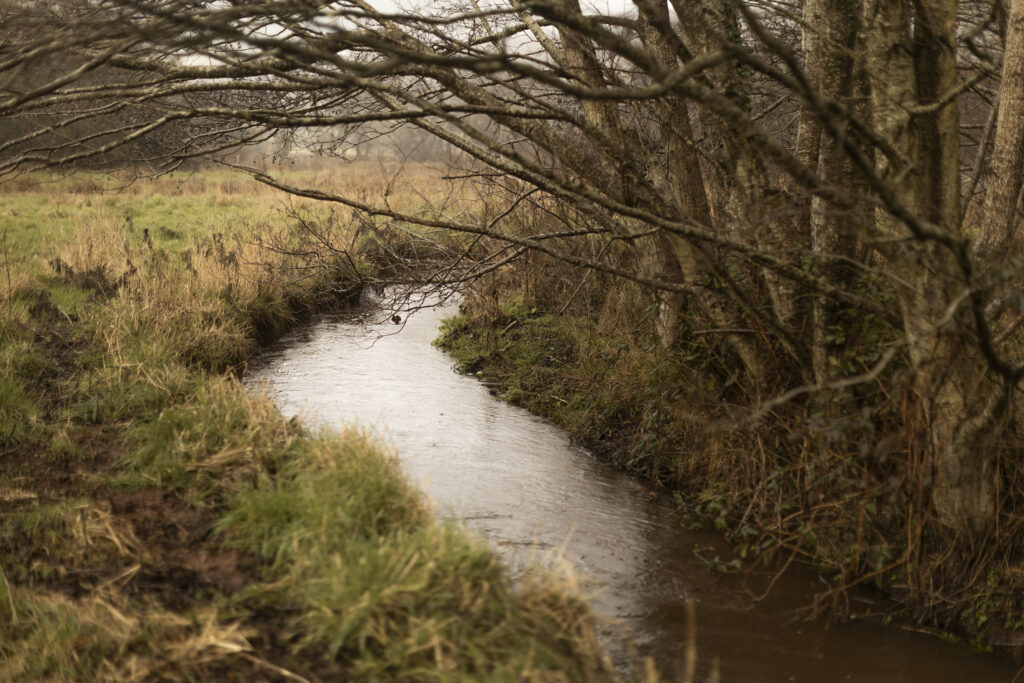
Experts consider beavers to be ‘ecosystem engineers’ and add their reintroduction will help to enrich the landscape. Image: James Beck / National Trust Images
‘Through our partnership Fund, we’re pleased to support this project as part of a wider effort to learn from and contribute to initiatives that aim to deliver positive outcomes for nature, local communities and the long-term resilience of our landscape.’
The Trust is also working with Beaver Trust, experts in beaver translocation, welfare and coexistence work, who source and translocate animals across Scotland, England and Wales.
‘We need to ensure they have the space to do what they do best’
‘Working closely with the National Trust at this site with their enclosed projects, beavers have thrived and adapted well to this landscape,’ says Dr Roisin Campbell, Head of Restoration at Beaver Trust.
‘Establishing multiple family groups across this connected landscape will support natural dispersal, a healthy founding population and genetic diversity – all essential for their long-term successful, resilient return to our rivers.’
‘We hope this marks the beginning of restoring the species at the scale needed in the wild to halt species decline, increase wildlife, and ultimately tackle the biodiversity crisis, in line with the government’s legally binding commitments.’
The Estate team is also working closely with local farmers to understand how wetland habitat can help to provide grazing opportunities and help mitigate the impact extreme weather is having on their business.
And, ahead of the release, the Trust has been liaising closely with its neighbours and local residents enabling the community to learn more about the role beavers play in shaping resilient, wildlife‑rich places.
‘As beavers return to our landscapes, we need to ensure they have the space to do what they do best — create thriving wetlands that benefit wildlife and people,’ says Stewart Clarke, Senior National Freshwater and Estuary Specialist.
‘But space alone isn’t enough. We also need the right incentives and support so farmers, landowners and communities can confidently coexist with beavers.’
‘A network of healthy, nature-rich river corridors will only be possible if policy and funding recognise the vital role these landscapes play in climate resilience and nature recovery.’
The Somerset scheme is one of many initiatives being run by the charity.
Supporters of the project, include: Green Recovery Challenge Fund 2, Species Survival Funding, Interreg 2 Seas Co-Adapt, Somerset River Authority and The Environment Agency.
Breaktime News recently reported on the investment of £600,000 in flood prevention work in three upland areas in England and Wales.
