
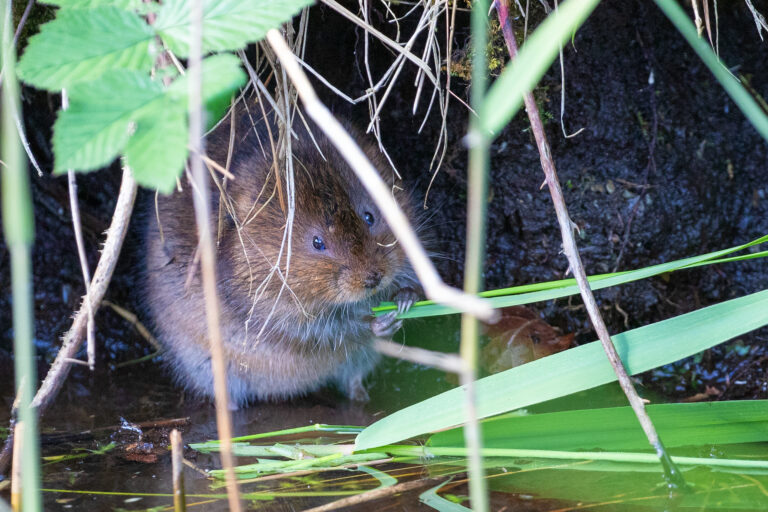
Multi million pound fund: creating ‘landscapes rich in wildlife’
Easing some of the impact being felt by our changing weather patterns is at the heart of a three year project which is being mounted across four National Trust locations in England.
The ‘Turning the tide for nature’ project is receiving the backing of the Garfield Weston Foundation with a grant of £5 million.
Experts say the money will be used to help to reduce the impact of climate change at Arlington Court in North Devon, Wallington in Northumberland and areas of the Peak District and Yorkshire Dales.
By 2028, it’s estimated that more than 10,000 acres of habitat space will have been created – or restored. That’s an area approximately the same size as Portsmouth.

It’s envisaged the work will be focused on key areas, including peatlands, wetlands, wood pasture, grasslands and rivers.
Many of the UK’s most threatened and endangered wildlife including water vole, pine marten, red squirrel and white-clawed crayfish are set to benefit.
‘As Europe’s largest conservation charity, we have the responsibility to think big and take bold action for nature and the climate across the land in our care,’ explains Ben McCarthy, Head of Nature and Restoration Ecology at the National Trust.
‘The locations selected here have huge potential to dramatically increase the benefit they offer for boosting biodiversity and capturing carbon at a landscape scale.’
‘By taking impactful actions on the ground, working with others and with support from funders like the Garfield Weston Foundation, we will create bigger, better and more joined up habitats rich in wildlife.’
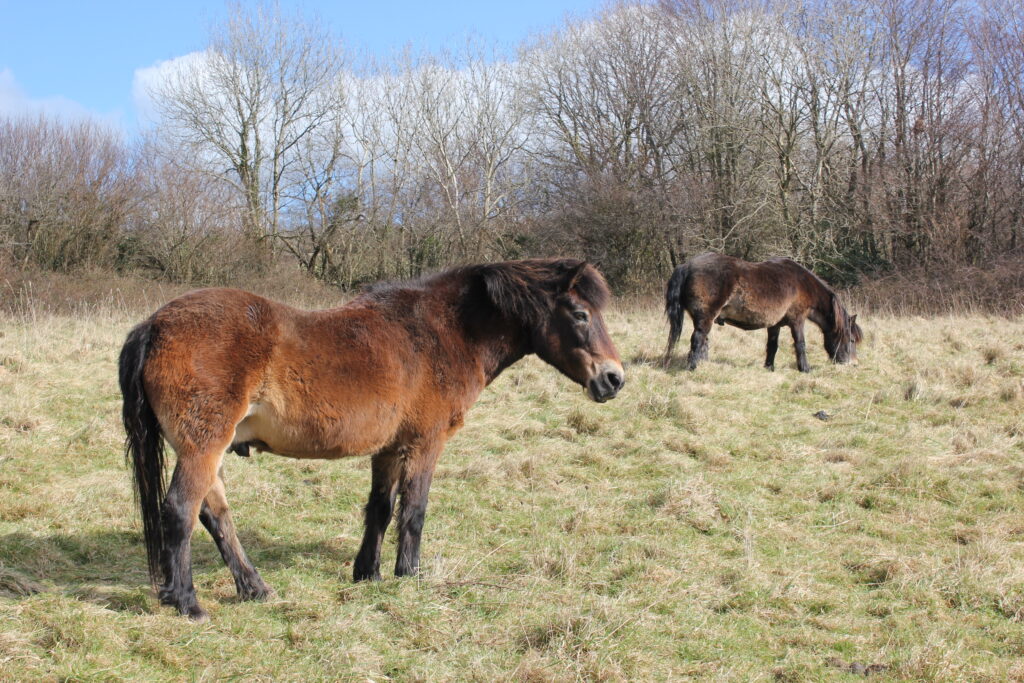
Creating a wilder, wetter and woodier landscape in North Devon
Over the course of the next three years, funding from the Garfield Weston Foundation is expected to help to create a wilder, wetter and woodier landscape in North Devon.
This includes 185 acres of woodland which should encourage the natural expansion of woodland creatures – such as the pine marten. It’s also hoped rare red squirrels can be reintroduced.
Plans are being drawn up for a trail at North Woolley on the Arlington Court estate which’ll cover more than 120 acres of woods, wetlands and meadows.
Organisers say it’ll provide access for everyone – from cyclists to wheelchair users and from walkers to pushchairs.
In the Peak District, the funding will enable and protect large scale restoration works nearly 7,500 acres of moorland habitat, including more than 2000 acres of degraded blanket bog.
Experts explain that a healthy, sufficiently wet bog will be able to trap carbon, store rainwater and provide homes for wildlife, such as dragonflies and lizards.
Funding will also help protect moorland areas where a mix of plants such as bilberry will grow.
It means that sheltered valleys and cloughs along the moor will see the establishment of trees, such as like silver birch and hazel. Their planting is expected to stabilise the soil and help to reduce the risk of flooding lower down the valley.
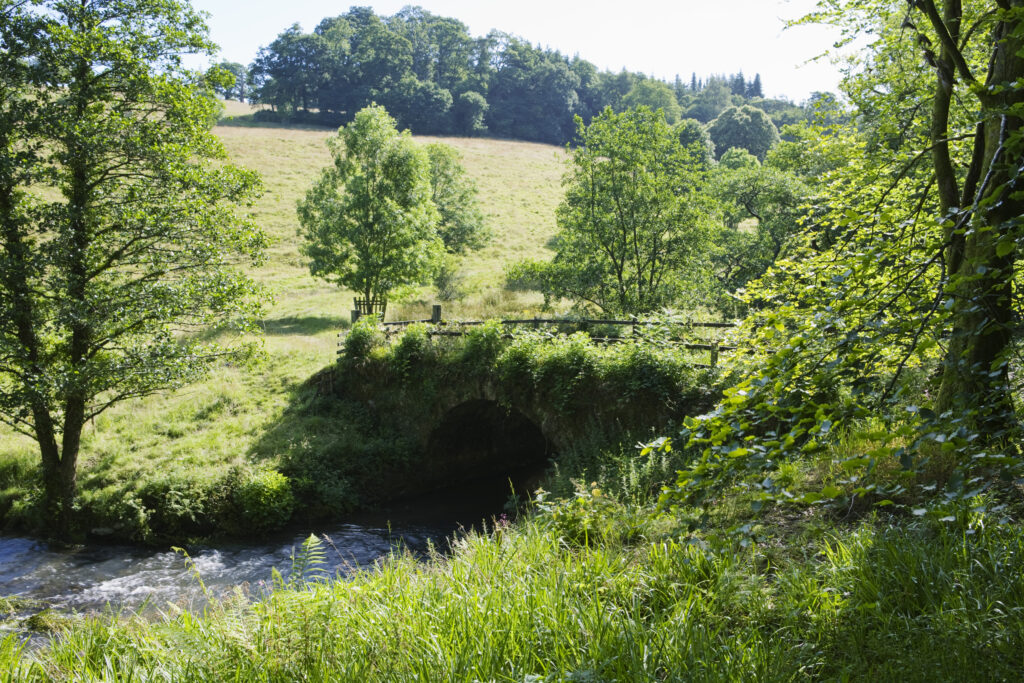
Plans to restore 1500 acres of peatland in the Yorkshire Dales
In the Yorkshire Dales, The National Trust will continue to work with the Yorkshire Peat Partnership and DEFRA to plan to restore nearly 1500 acres of precious peatland at Upper Wharfedale and Malhamdale.
The once common, lady’s slipper orchid will be reintroduced to stretches of the Dales’ woodlands which is expected to benefit bees and butterflies. Native broadleaf trees will also be returned to the landscape.
Restoration work is planned at Wallington where experts will aim to create wetlands, woods and grasslands in the vicinity of the Fallowlees Burn. The project should see the possible return of water voles along the river corridor.
Funding will mean an area can be created at Wallington to try to protect the white-clawed crayfish, the UK’s only native crayfish. This’ll add to two existing sites already established on the Northumberland estate.
‘We recognise that nature is in trouble in the UK and in need of urgent help,’ says Sophia Weston, Deputy Chair, Garfield Weston Foundation.
‘The steps the National Trust takes now to carry out vital conservation work across some of the country’s most cherished landscapes will ensure that nature can thrive in the future.’
Project funding will further support the development of an evidence-based approach to monitoring so impacts of interventions on nature, climate and people can be clearly demonstrated, replicated and scaled up elsewhere across The National Trust.
Organisers say the ‘Turning the tide for nature’ project directly contributes to the National Trust’s ambition to create ‘nature-rich landscapes’ in an area one-and-a-half times the size of Greater London.
