
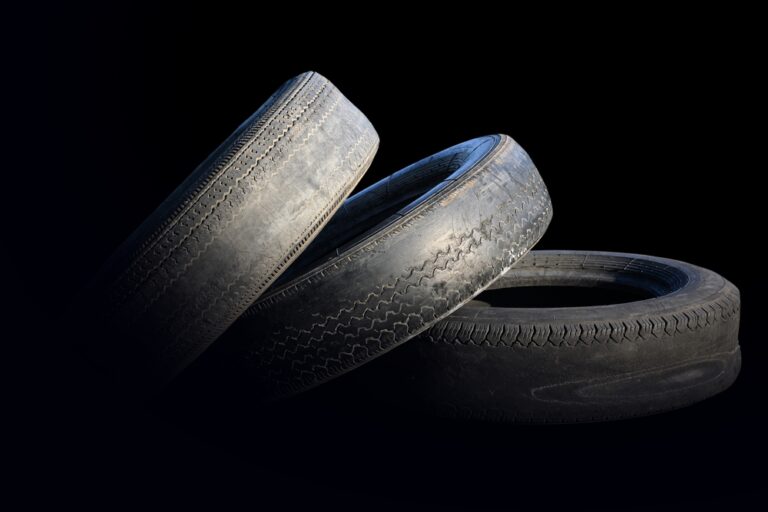
More than four million cars could have 10+ year old tyres
A survey carried out by the AA finds that millions of cars around the country could be relying on tyres that are more than ten years old. It says that one in five of the vehicles inspected by the team found at least one tyre manufactured before 2020.
Experts say that advancing safety features in cars means it’s easy for people to often overlook one critical component: their tyres. The study included data taken from the The AA’s Vixa app alongside mobile mechanics roadside repair teams.
The results are based on information collated from nearly 1000 vehicles. It found 3% of tyres were more than 10 years old and more than 20% of tyres inspected were more than five years old.
The organisation explains that of the ‘1788 tyres inspected for wear or damage using Vixa’s AI technology, 136 tyres were found to be in need of immediate replacement with a further 198 approaching the legal limit of 1.6mm.’

‘Year on year, tyre issues populate one of the top two slots for member callouts. Often, these could be avoided by carrying out some quick and easy routine checks on a vehicle’s tyres,’ says Dean Keeling, AA managing director of road services.
‘Tyre blowouts are not only expensive and inconvenient but can also be incredibly dangerous for drivers and other road users.’
‘I would urge all drivers to pay closer attention to the age and condition of their tyres, regardless of tread depth by checking a simple four-digit code on the sidewall of their tyres, including the spare.’
Replace tyres more than six years old
The AA is recommending that drivers should check the date of manufacture of their tyre. The organisation says the date is usually found on the tyre’s sidewall and is represented by a four-digit code (indicating the week and year of manufacture).
It is also encouraging people to have their tyres inspected regularly by a professional to check for signs of aging – such as cracks or bulges. It adds that people should look to replace old tyres that are more than six years old (regardless of tread depth).
It explains that tyres degrade over time as they’re a rubber product. It adds that the degradation can lead to cracks and that the age of a tyre can compromise structural integrity.
Previous surveys by the AA have included motorist confidence when driving abroad along with pothole incidents and problem areas during Bank Holiday getaways.
